martes, 30 de junio de 2020

Stephen Taylor Architects > Plashed Road

Source: Stephen Taylor Architects

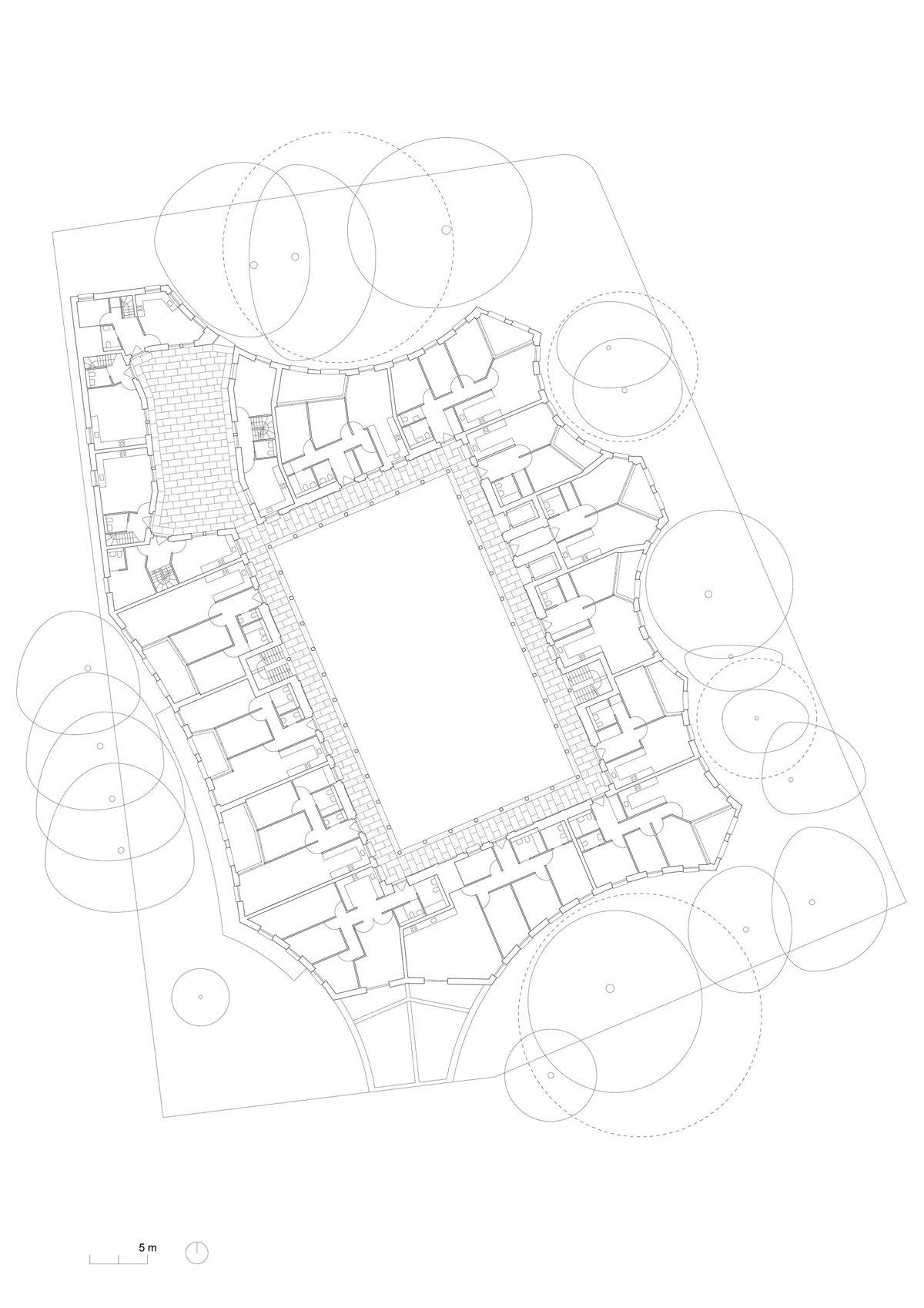
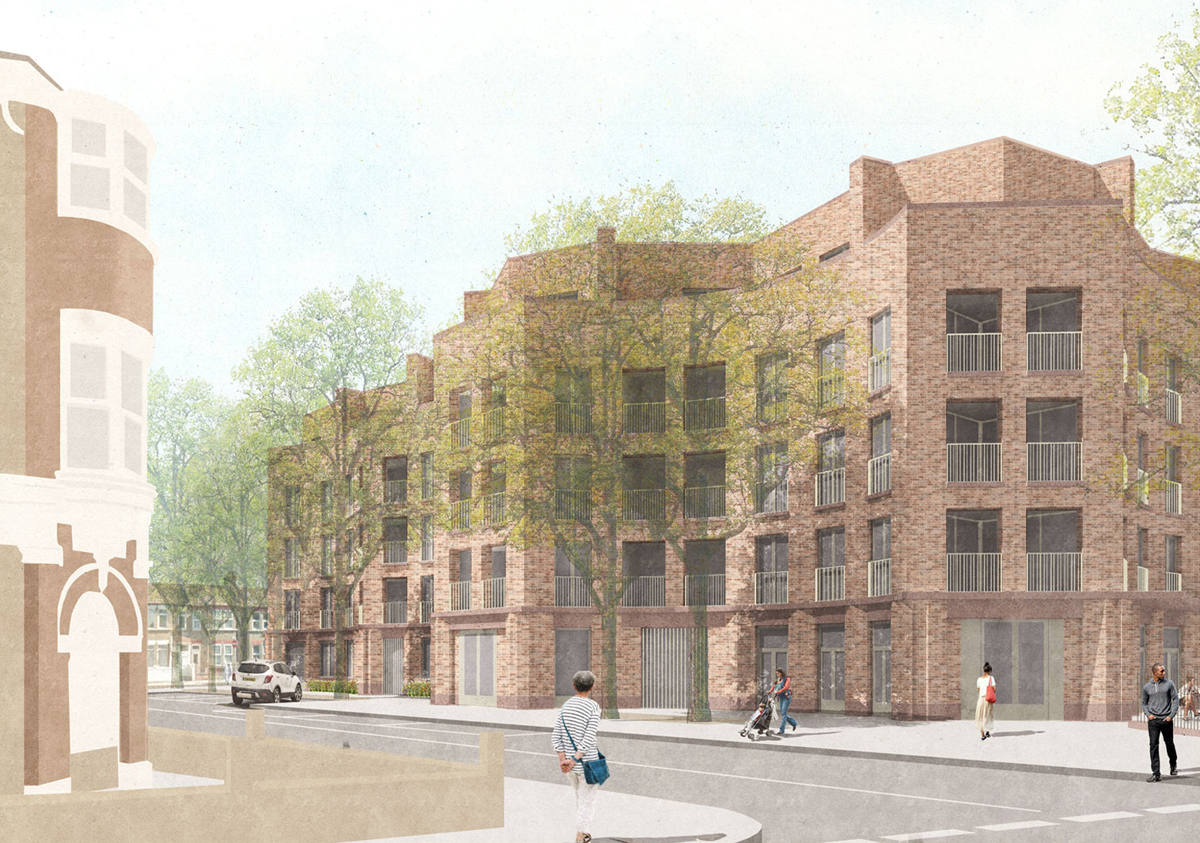
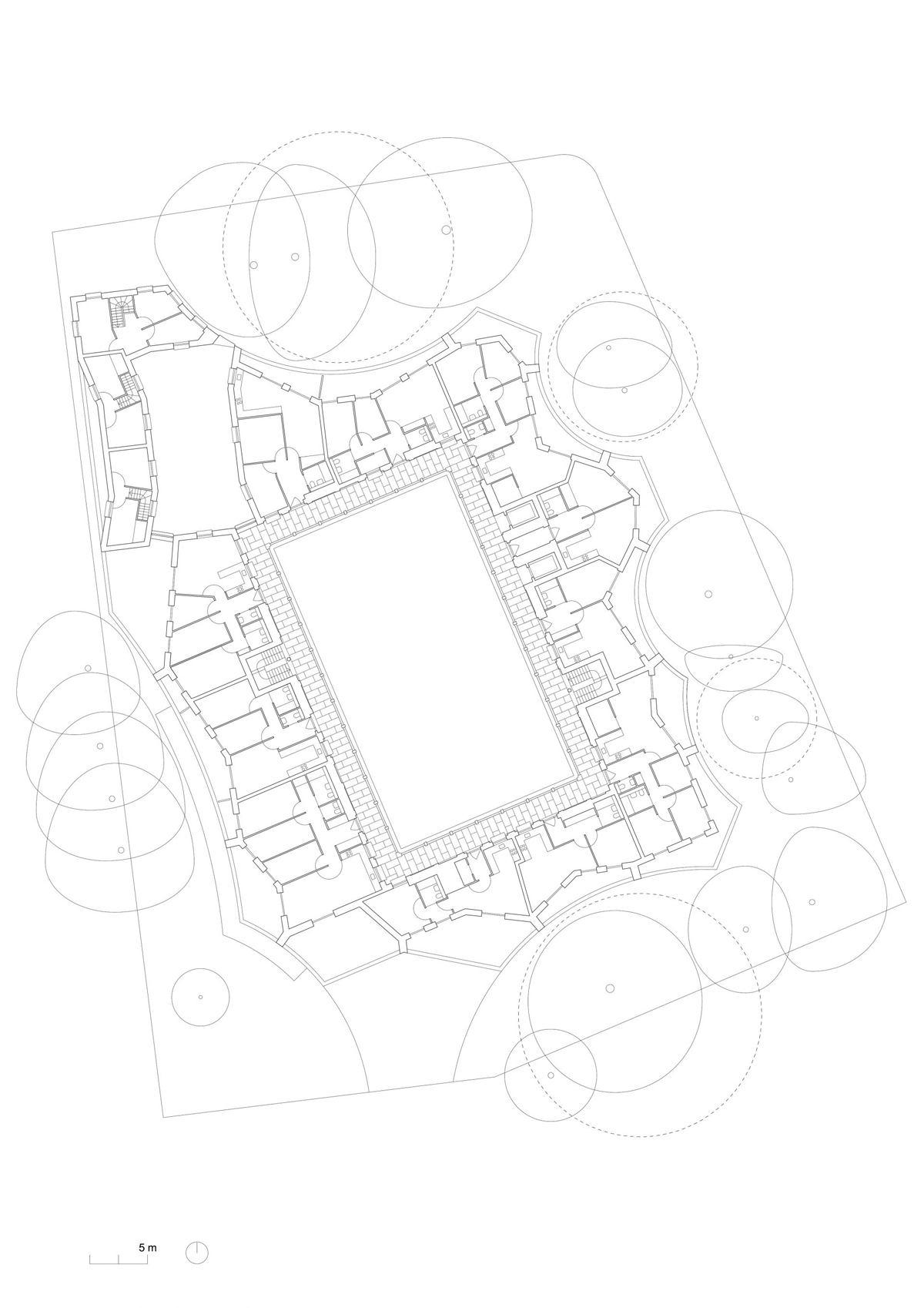
The Plashet Road development is located on the site of a former Victorian school building in Newham, which had to be demolished after it fell into disrepair. The new build scheme delivers a 900 square metre community centre, a 350 square metre children’s nursery and 55 affordable homes. The community centre provides a range of spaces, including sports and exercise rooms, function room, a community café and kitchen, hireable work and meeting rooms, and a large community garden. The nursery provides places for 80 children across three age groups, arranged around a playground garden, meeting local childcare and educational need within the surrounding ward.

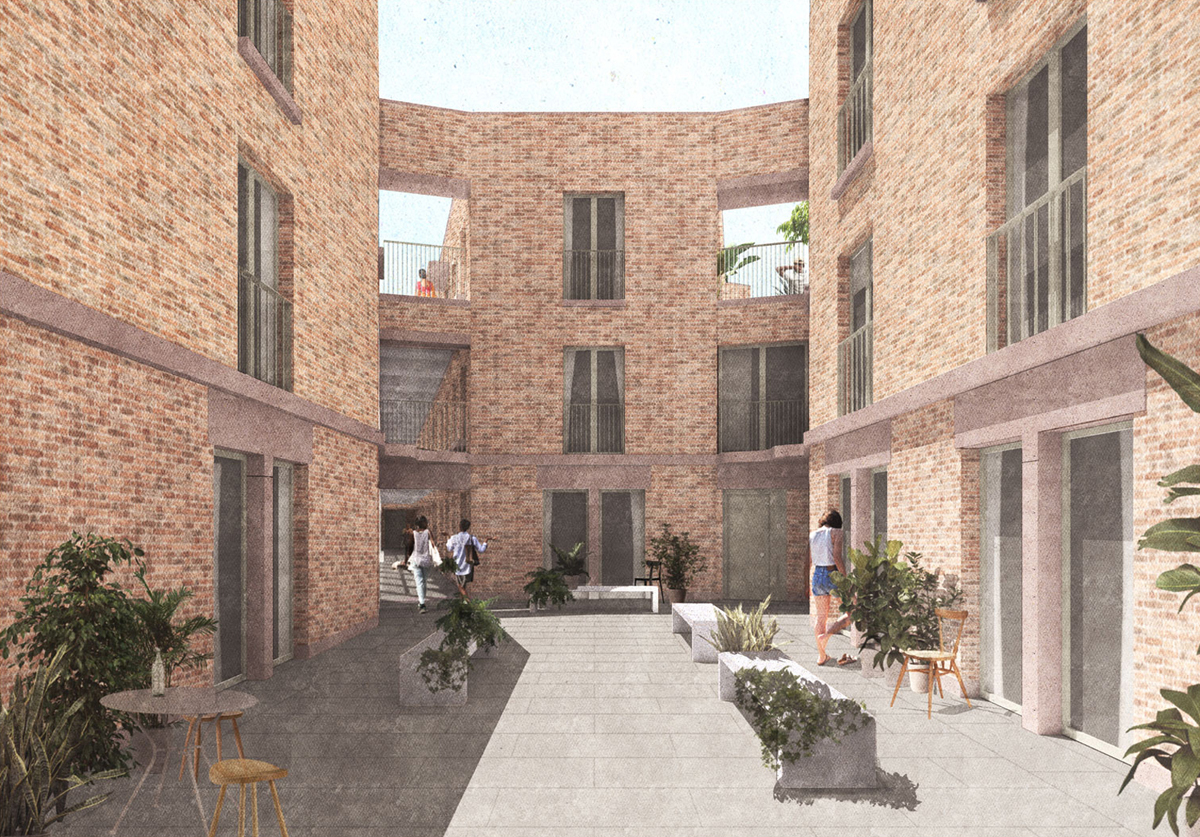
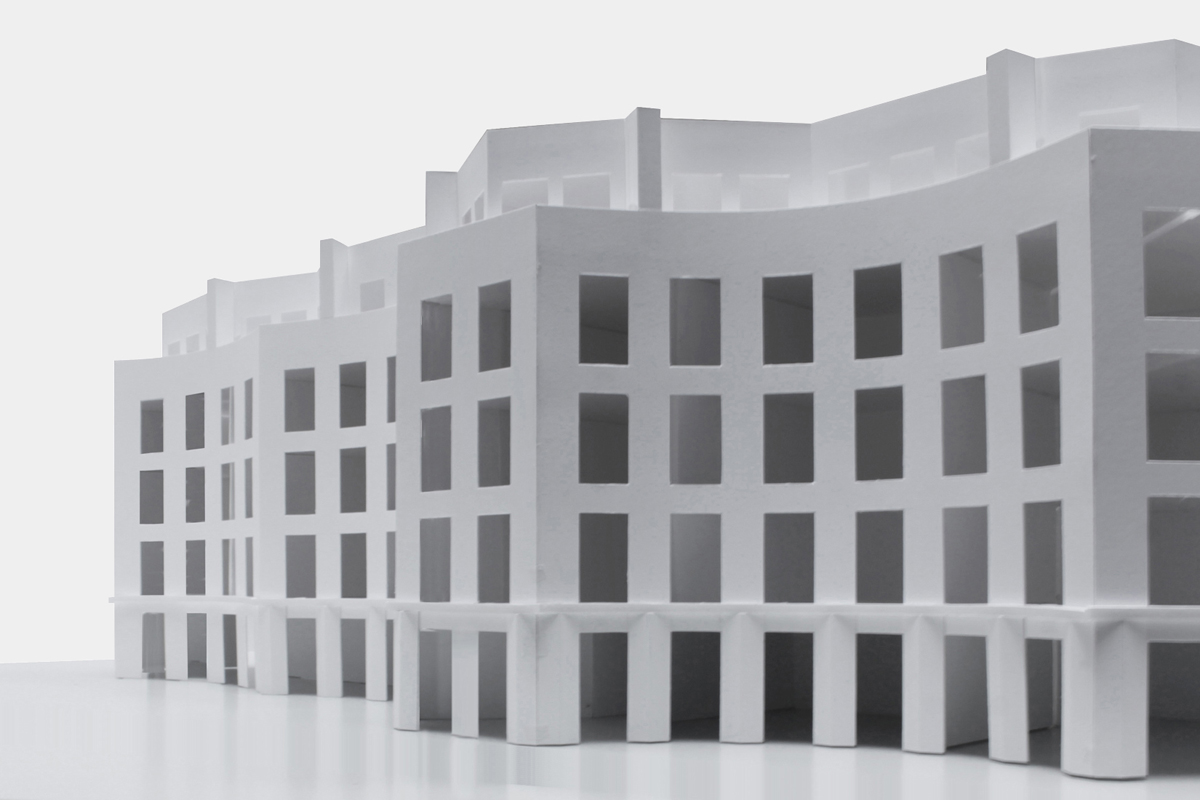
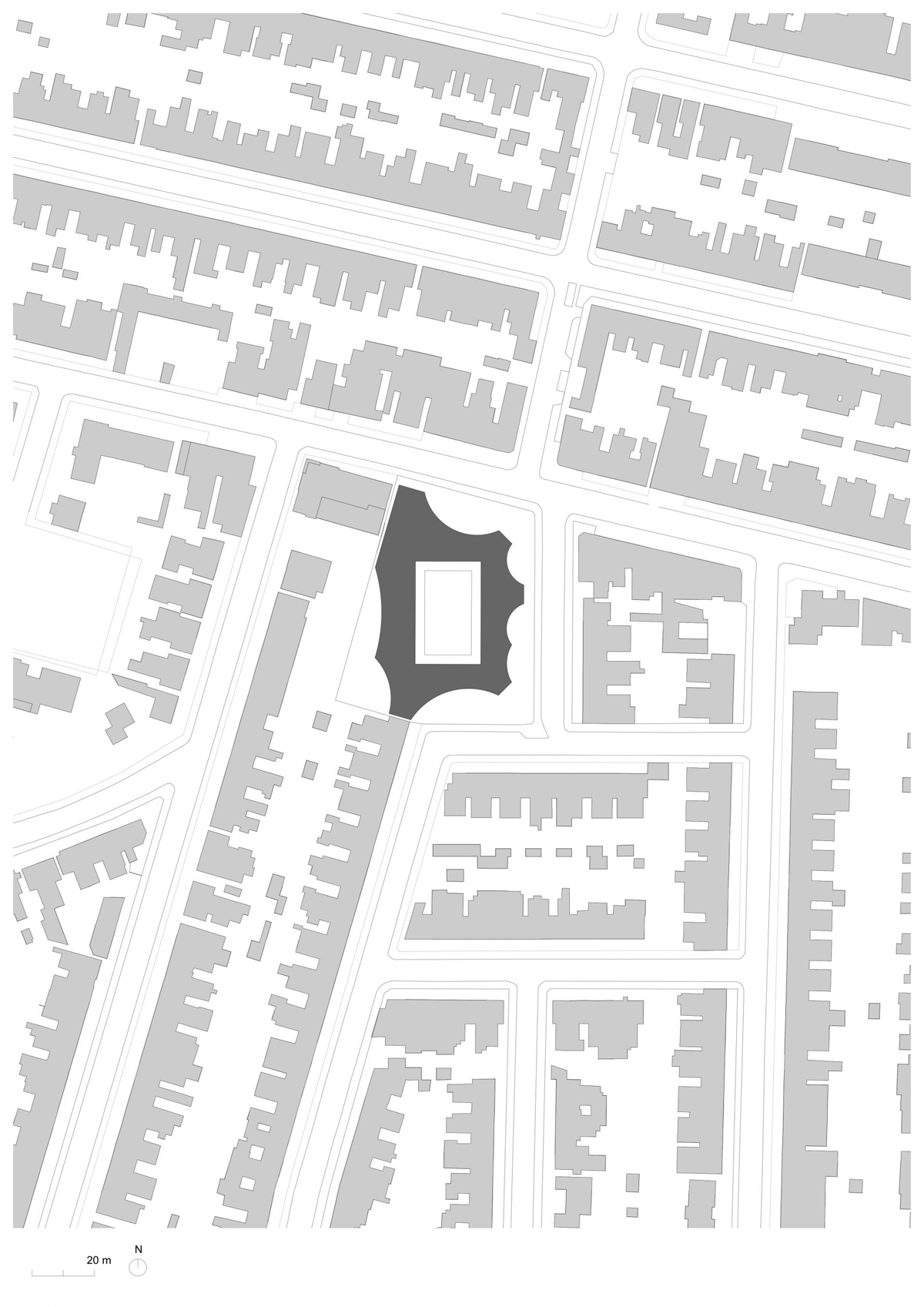
The site is unique in being bounded on all sides by high quality mature trees, which contribute positively to the character of the wider area and have all been retained as part of the development. The project builds on the qualities of the site, with the building arranged in response to the trees, creating a series of crescent facades facing the street. A communal courtyard garden surrounded on all sides by a colonnaded gallery access deck defines the building’s interior and provides access to the apartments.

A material language shared with the terraced houses adjacent to the site, give the building familiarity with its surroundings and lend the building a sense of permanence, similar to the robust Victorian public buildings of the area.


Location: Newham, London
Client: Newham Council
Size: 6,150 sqm
Status: on going


Esta entrada aparece primero en HIC Arquitectura http://hicarquitectura.com/2020/06/stephen-taylor-architects-plashed-road/

lunes, 29 de junio de 2020

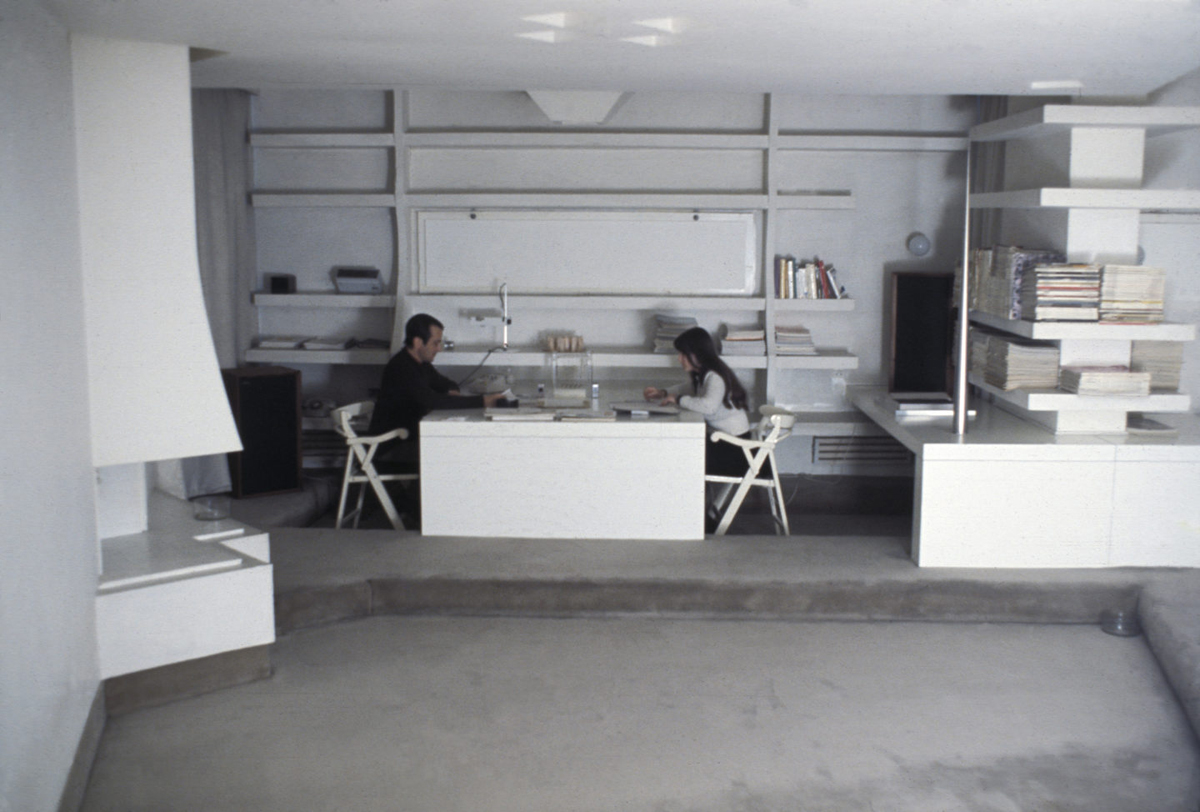
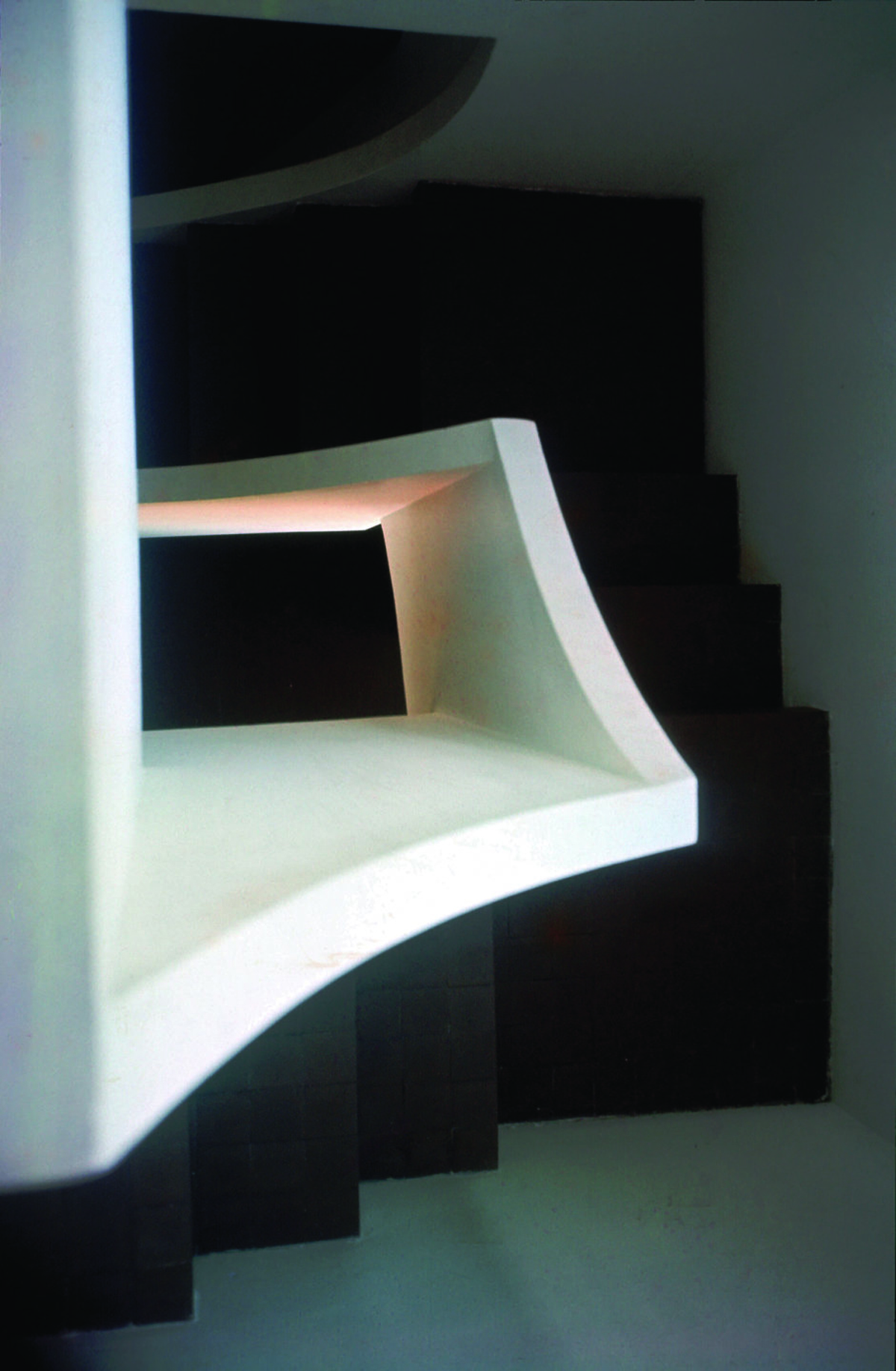
Ricardo Bofill > Viviendas en calle Nicaragua

Current photos: Oriol Gómez
Source: RBTA

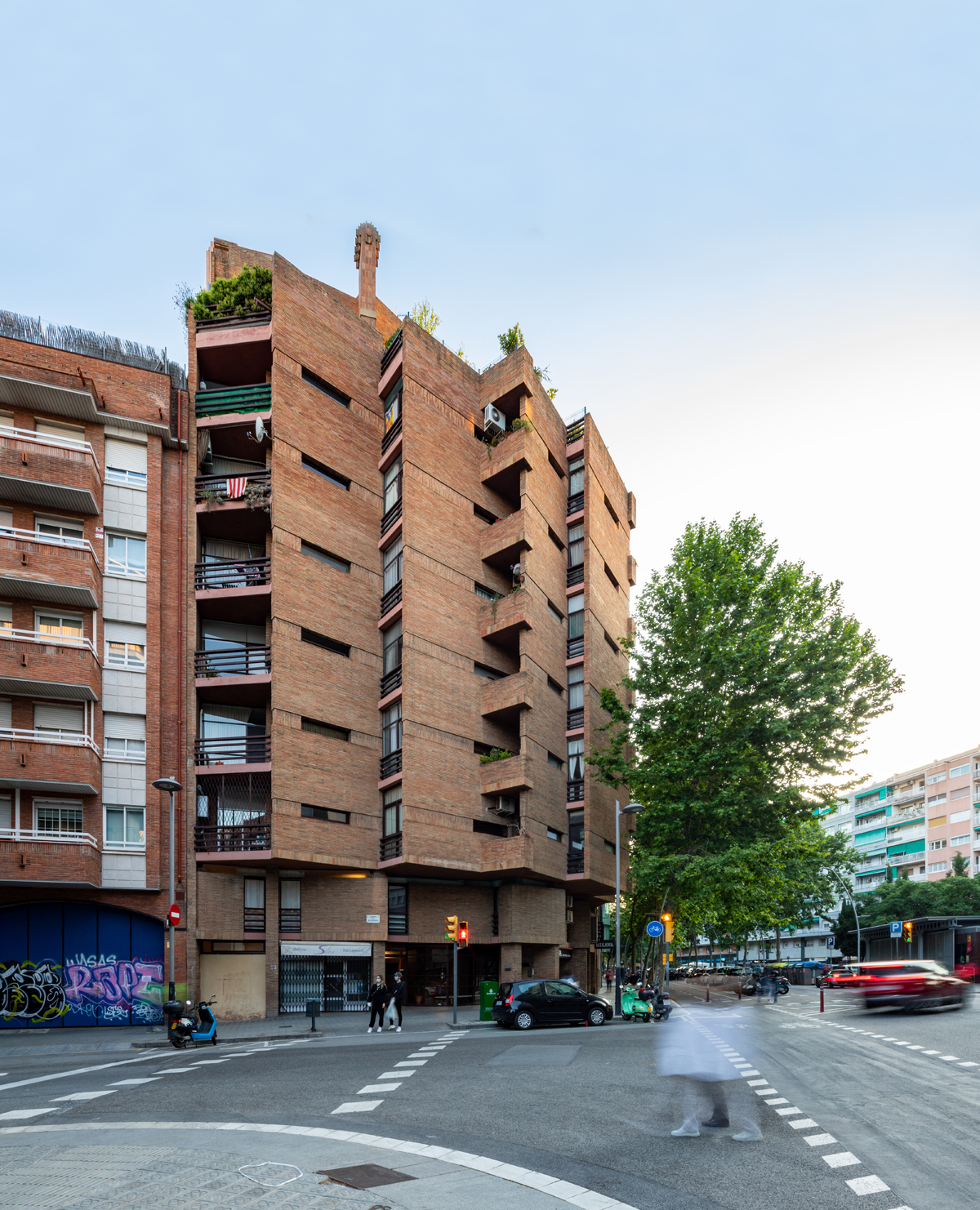
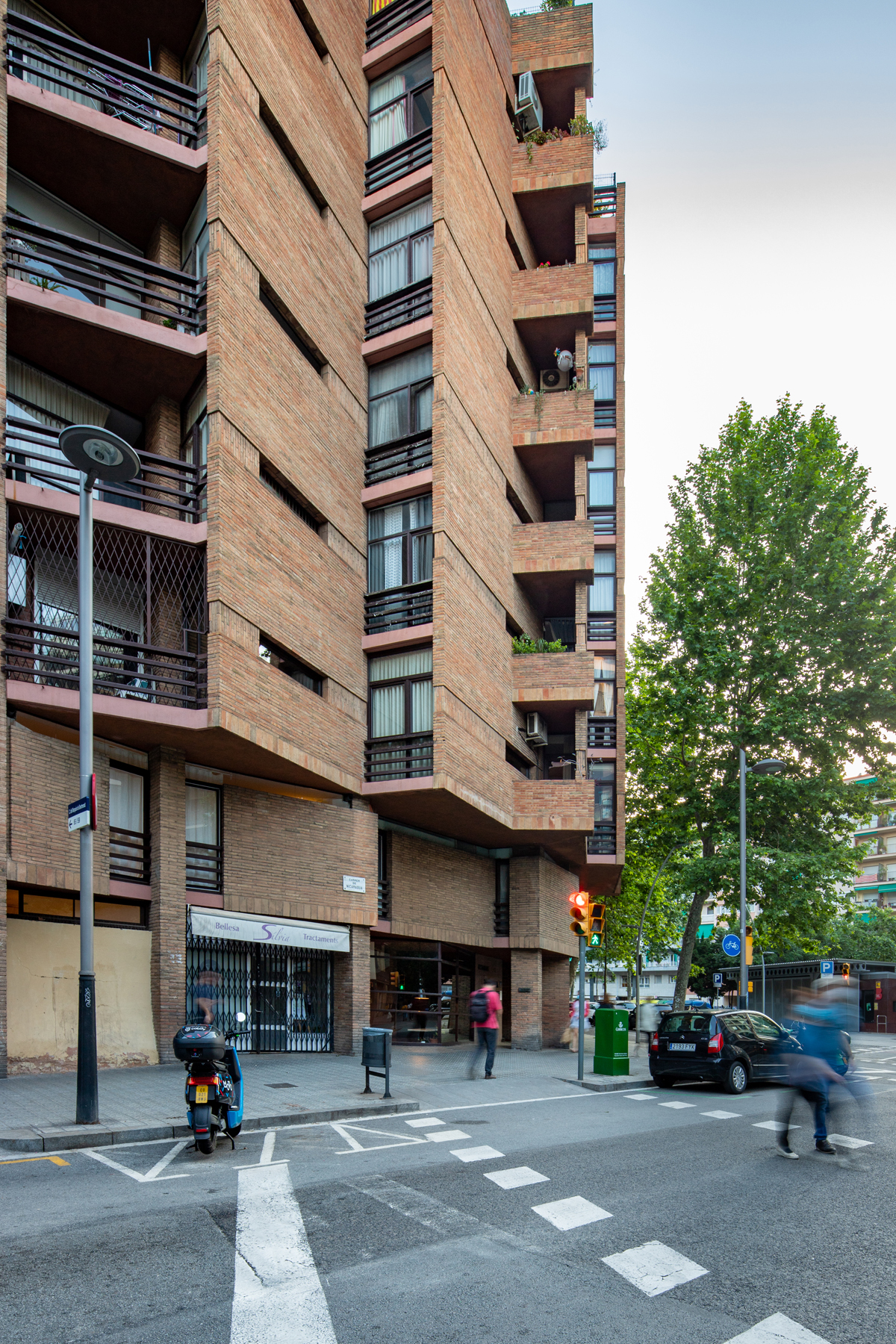
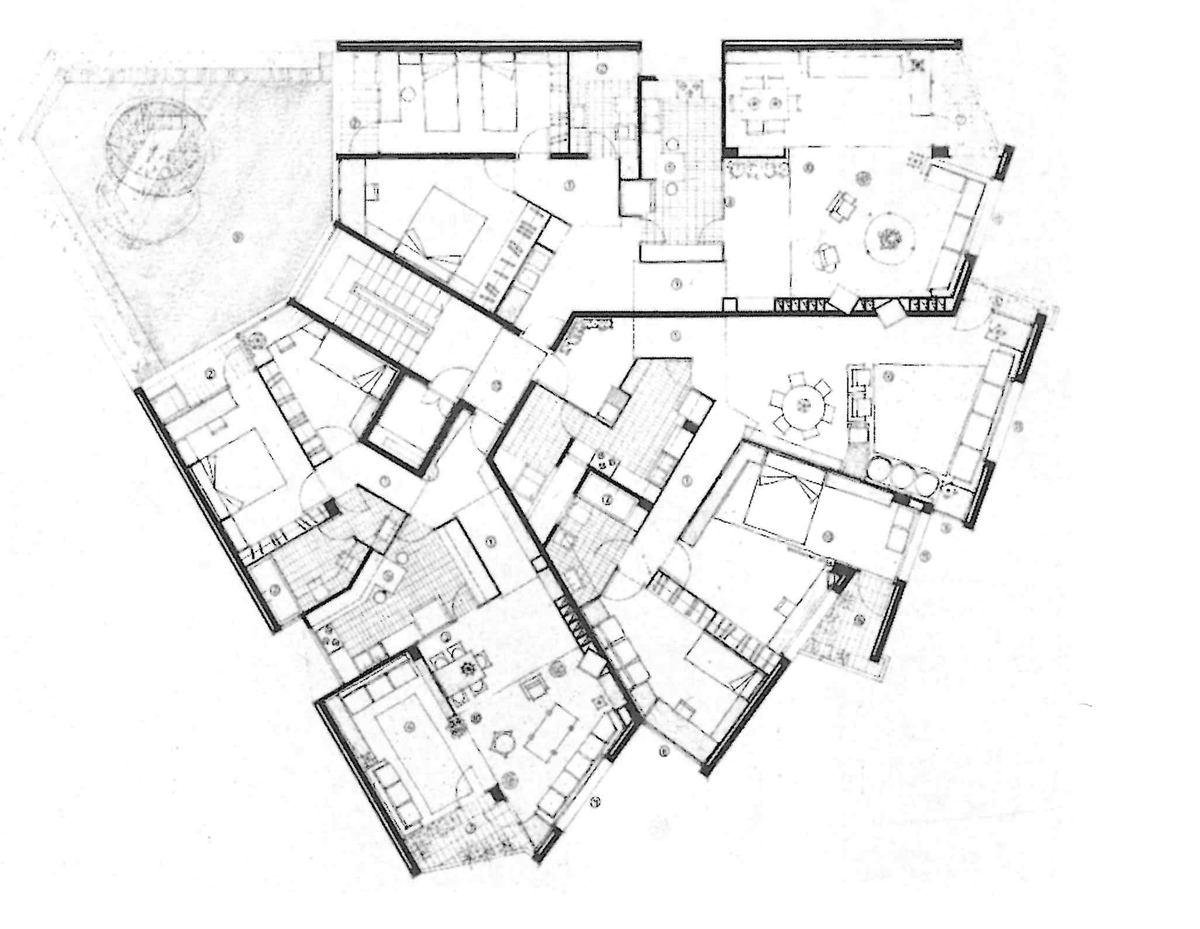
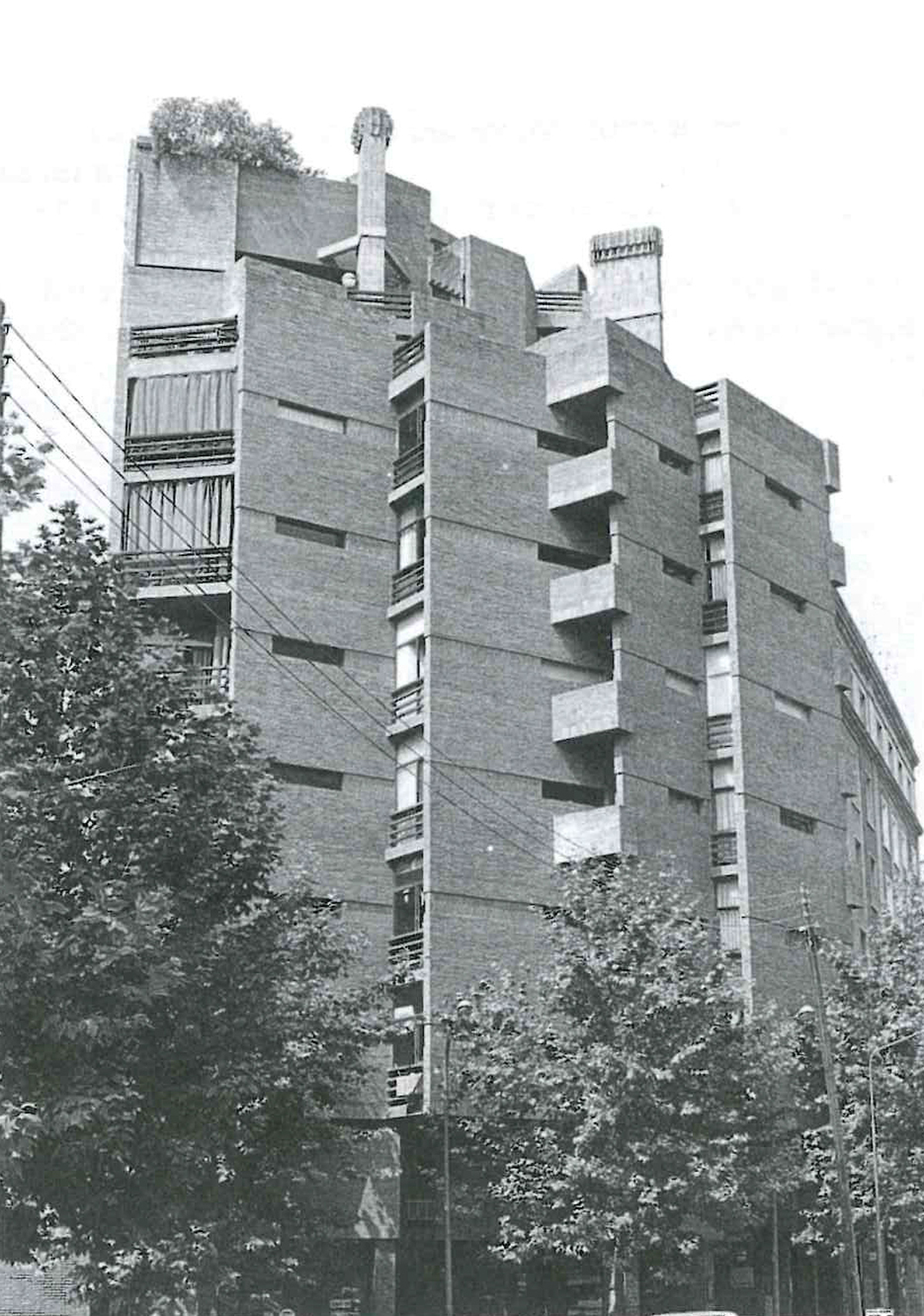
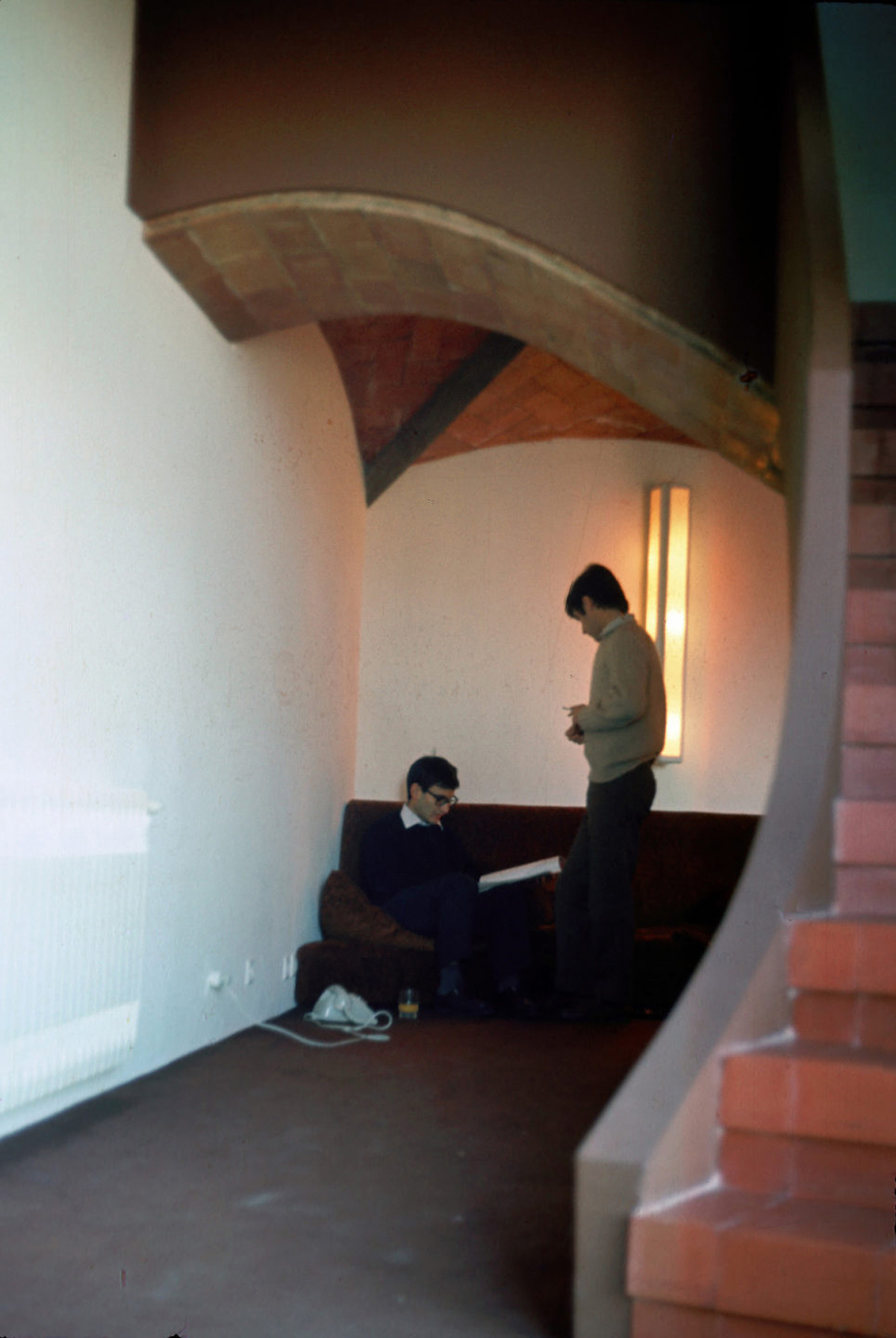
Este edificio de apartamentos de ocho plantas, está ubicado en un solar  pequeño de la calle Nicaragua, en un barrio popular de Barcelona. Las características del solar (ubicado en una esquina, paredes medianeras a ambos lados, orientación norte) determinaron en gran medida el proyecto final.

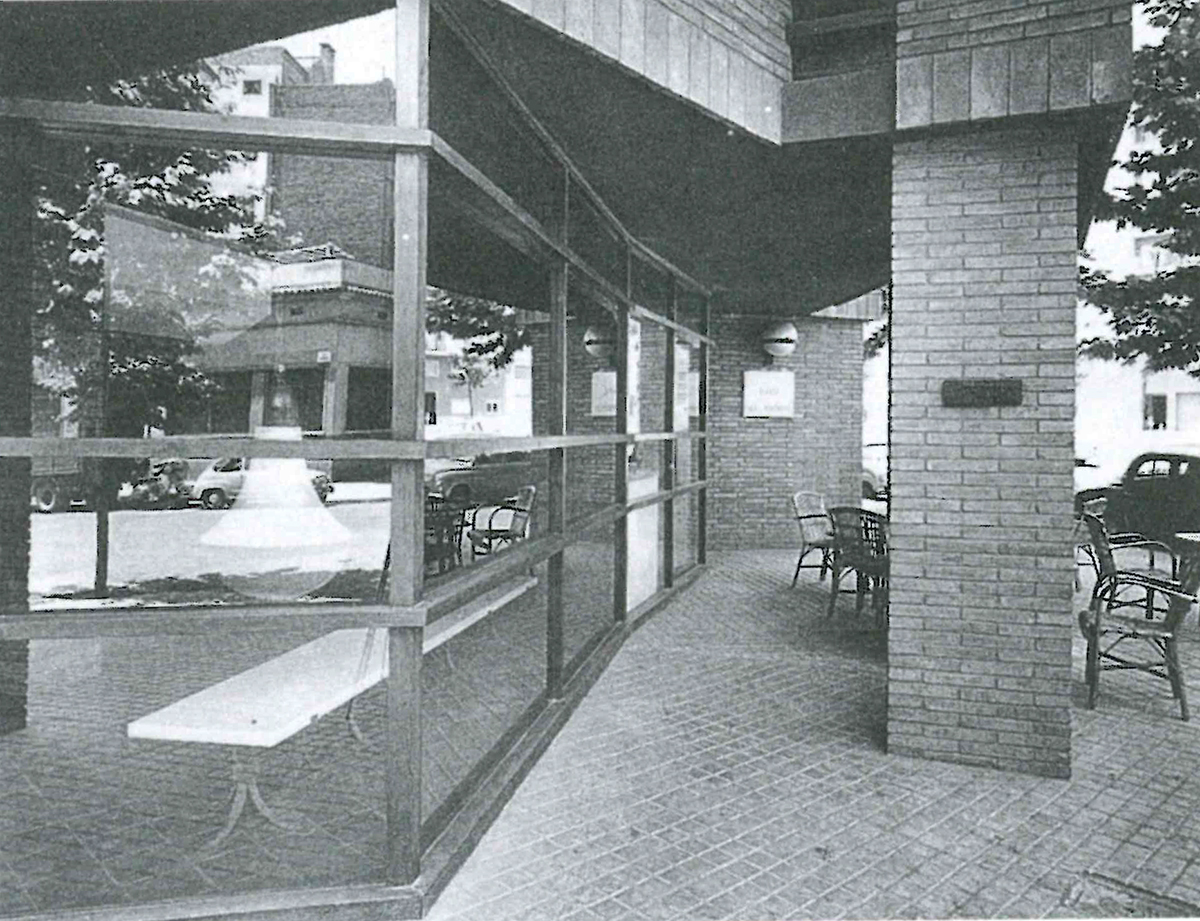
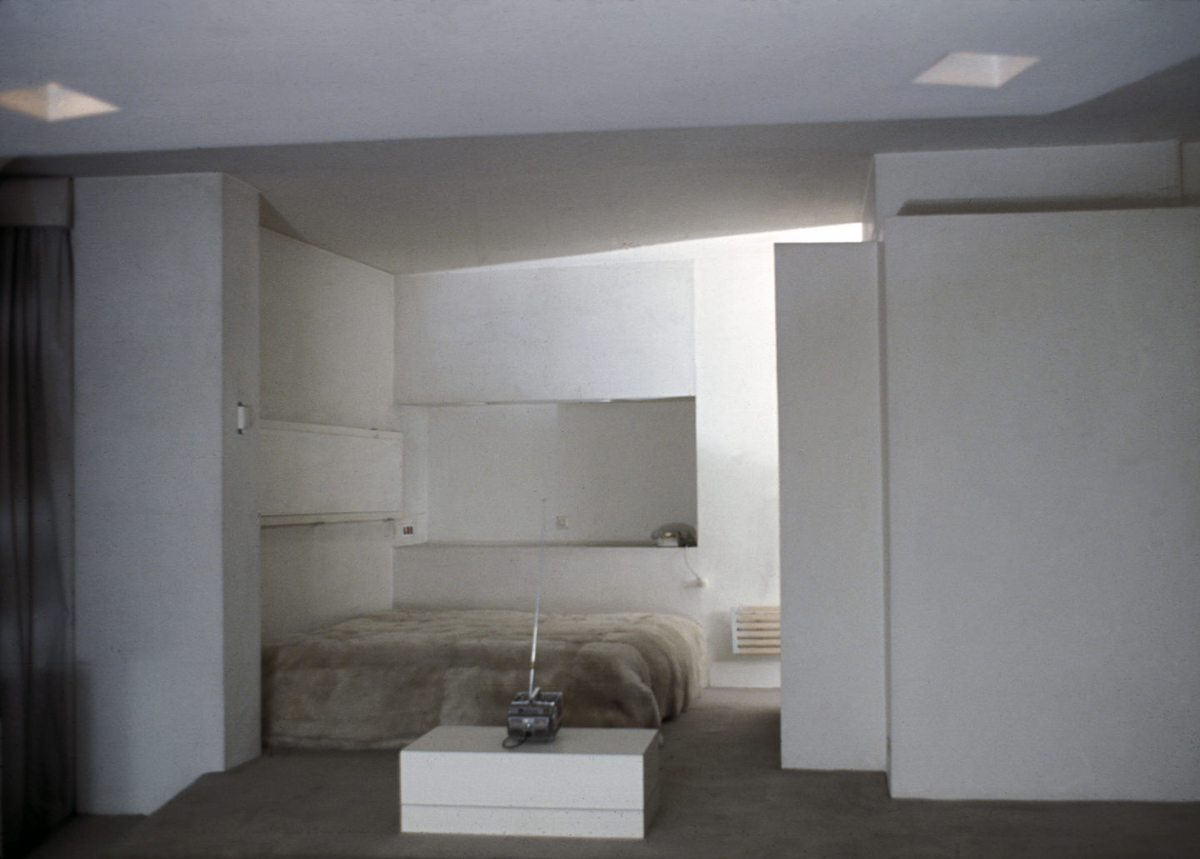
El programa consistía en el diseño de un edificio de viviendas de renta controlada subvencionado por el Gobierno, con un 30 por ciento de la superficie construida destinado a locales comerciales y oficinas en la planta baja y primera. La superficie media de los apartamentos es de 75 metros cuadrados, mientras que el ático, de 150 metros cuadrados en tres niveles, con una distribución a medida, incluía una terraza con vistas y una piscina en la planta superior.

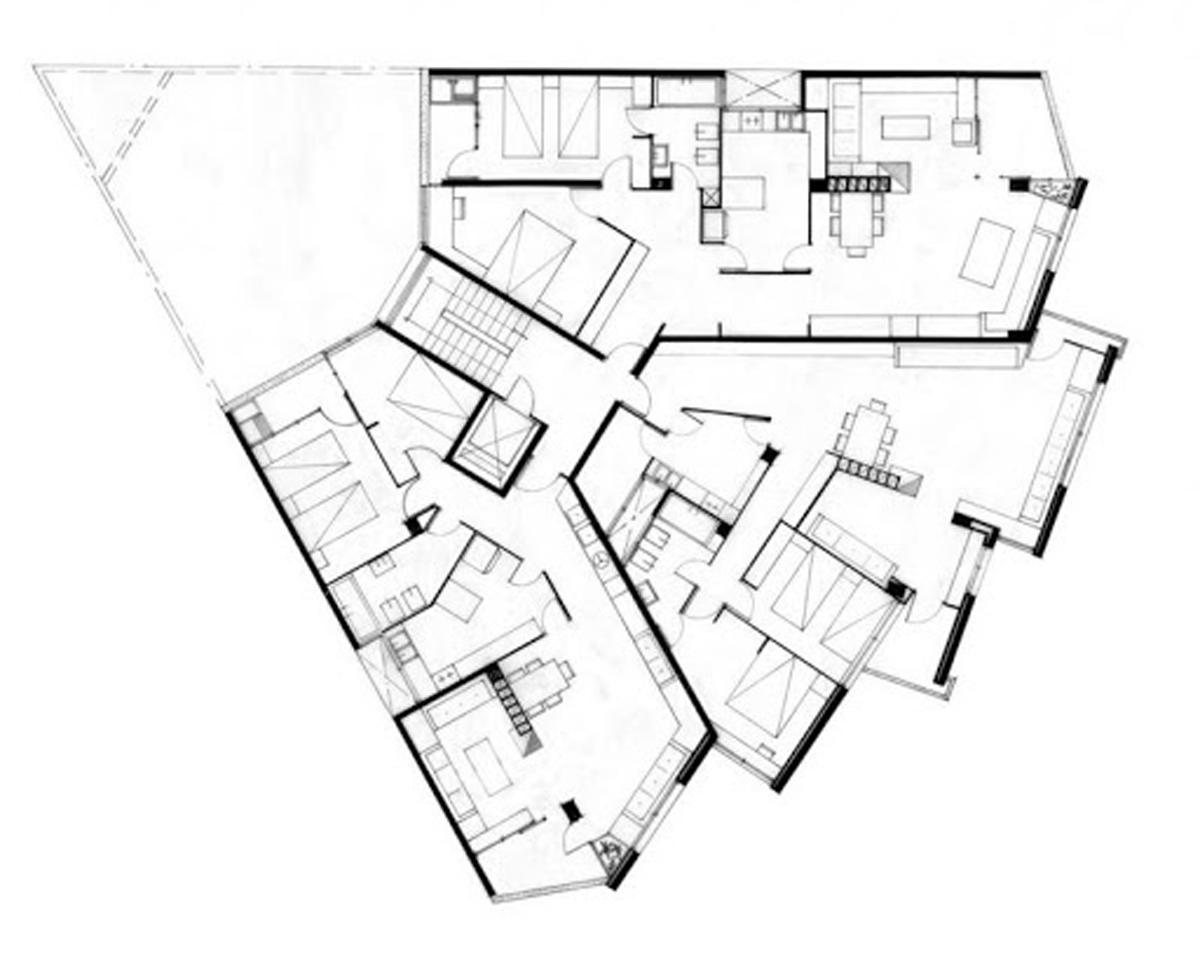
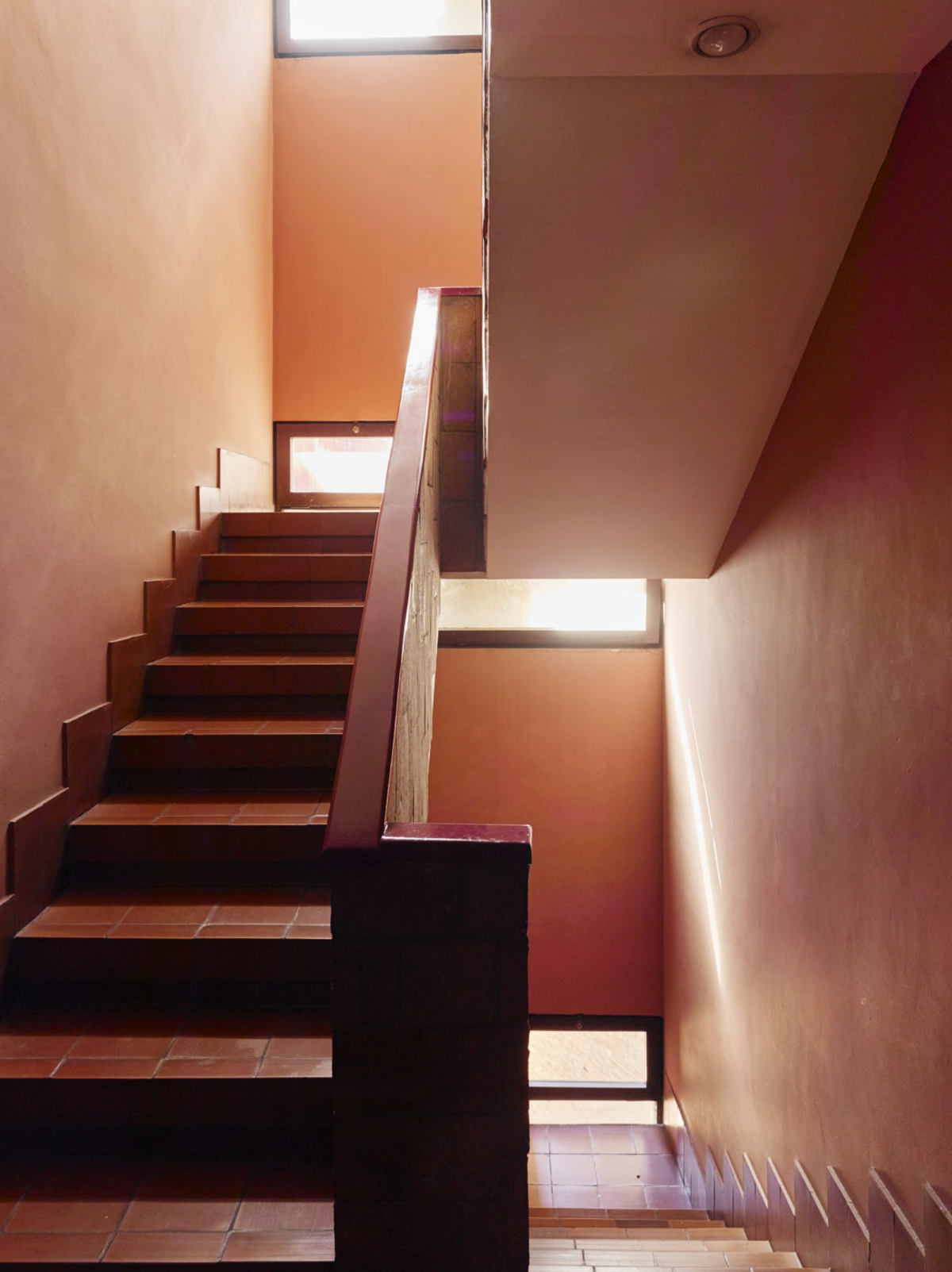
Con el fin de proporcionar luz y ventilación natural  a las habitaciones y las escaleras se diseñó un patio abierto de generosas proporciones. La fachada cerrada hacia el norte, se abre hacia el este y el oeste, lo cual no sólo evita una orientación desfavorable, sino que también presenta una fachada del edificio en la esquina opuesta, logrando de esta manera  vistas a ambas calles. Además, esta disposición permite que los interiores concentren una considerable cantidad de luz.

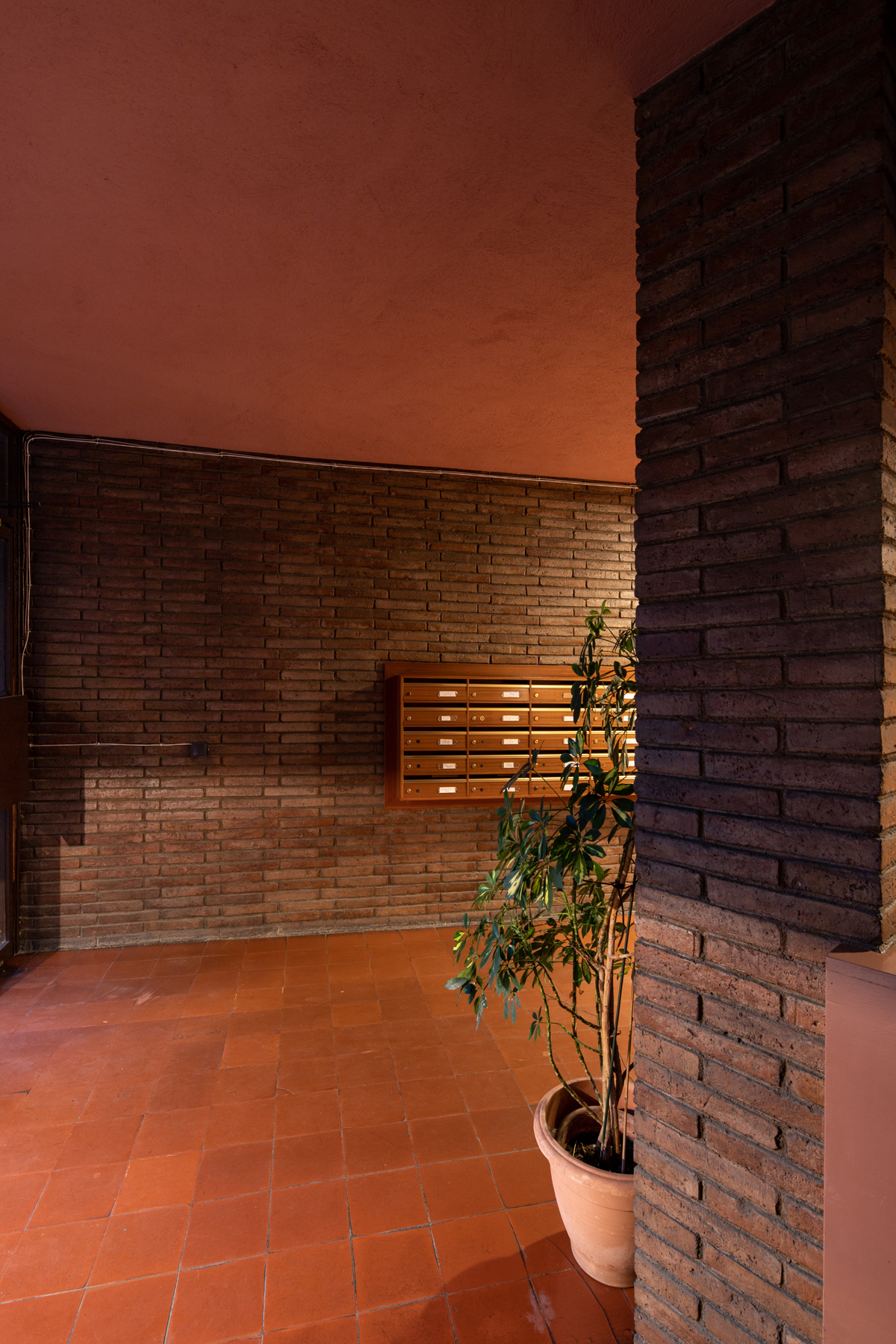
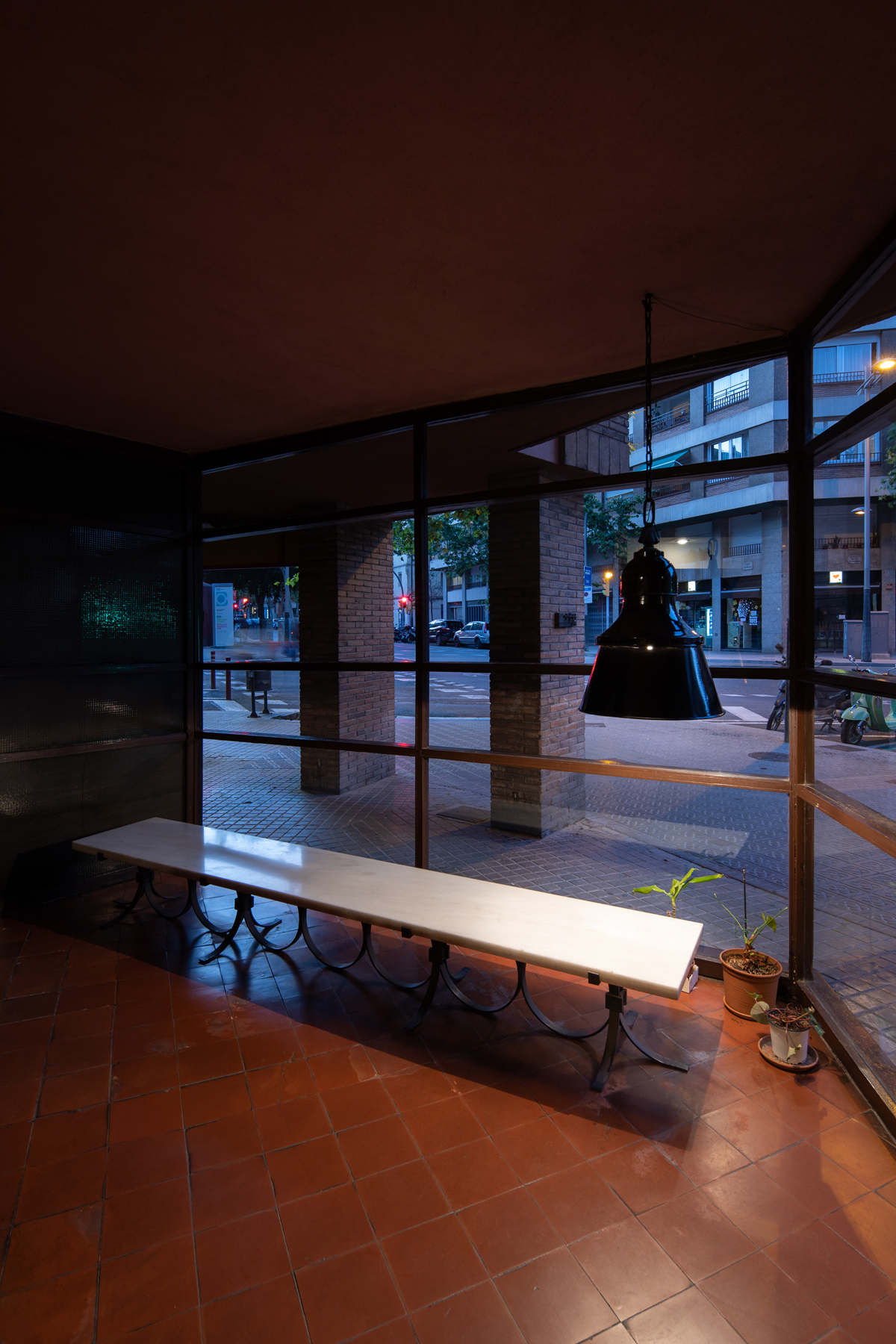
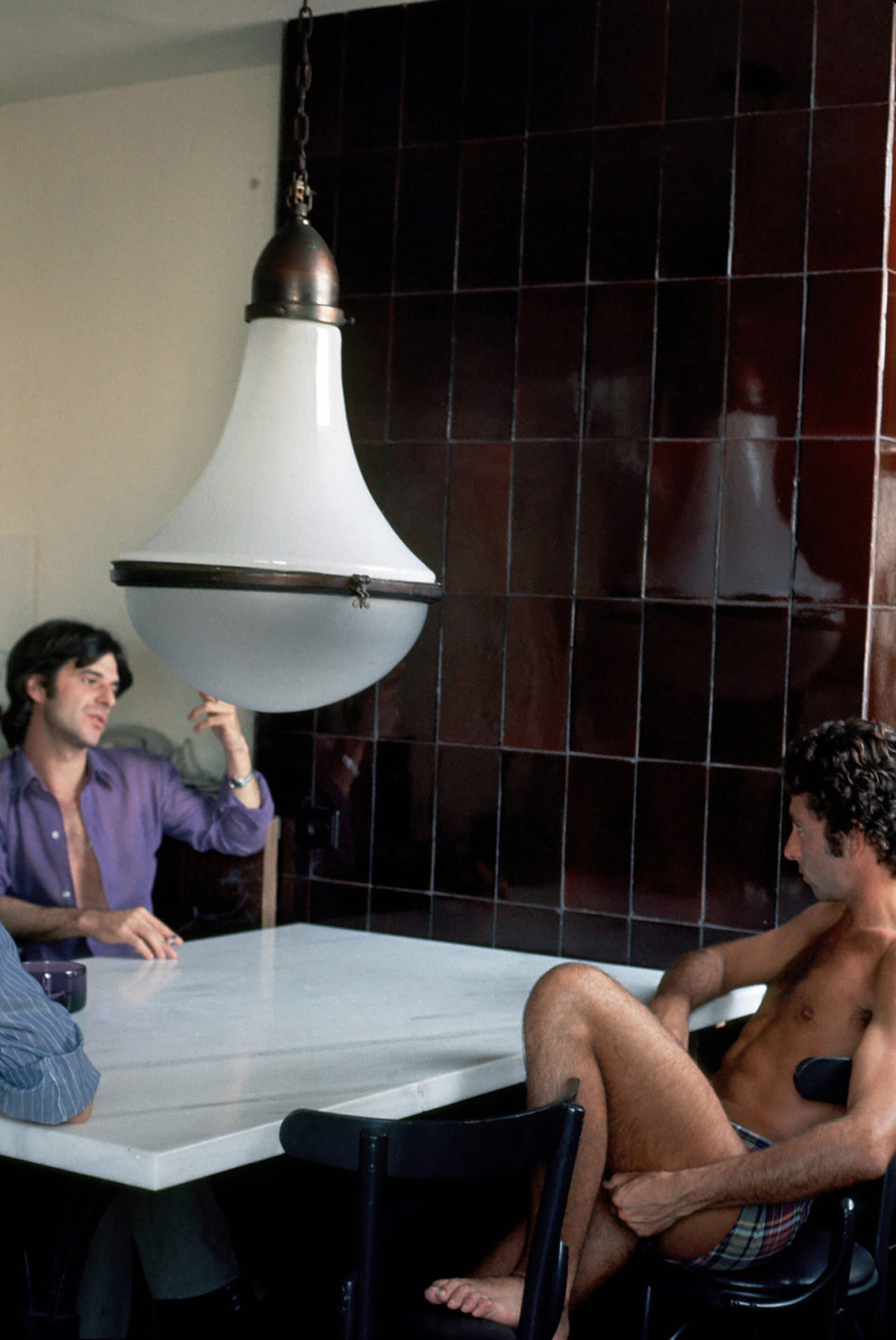
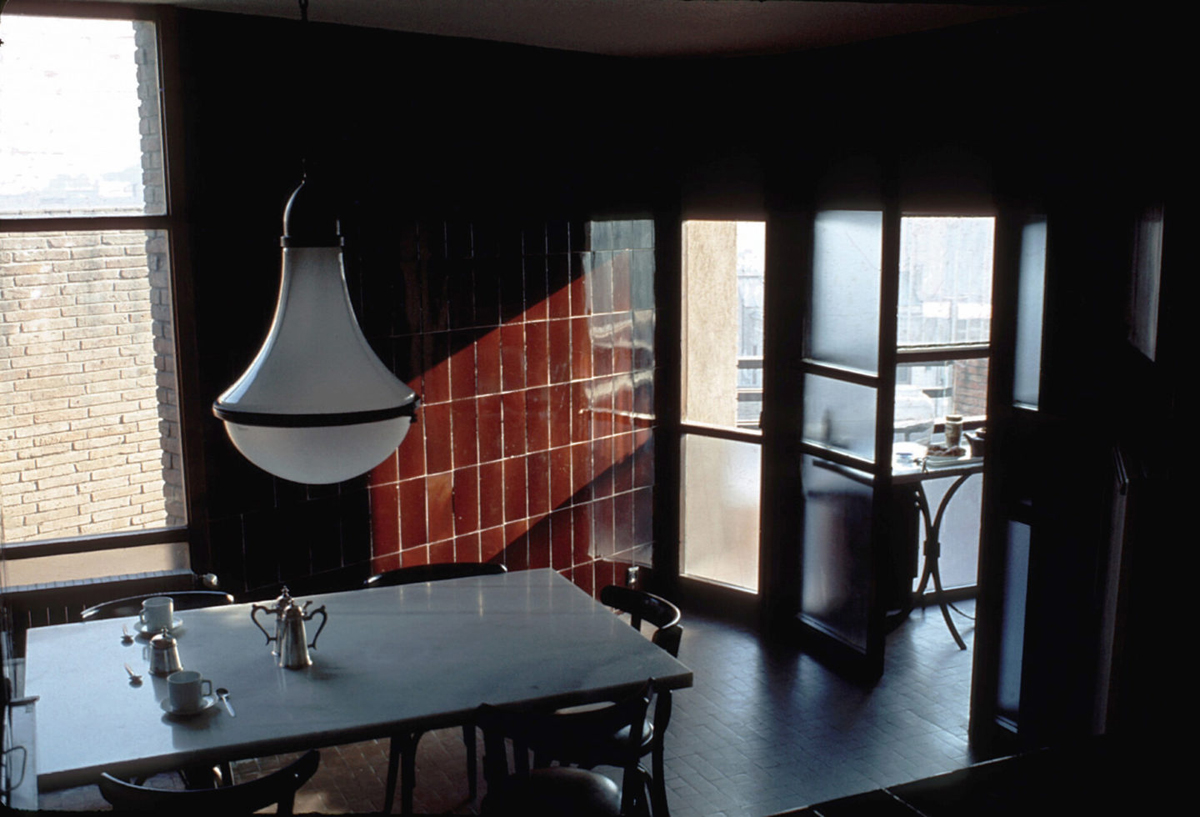
El proyecto representa una época en que las posibilidades para la construcción industrializada en España eran muy escasas. Sin embargo, logró varios objetivos, tales como la eliminación de las fachadas clásicas compuestas, la elaboración de espacios adecuados, y un cierto grado de investigación puramente estética que ofrece un sinfín de posibilidades formales que producen excelentes resultados en términos tanto del diseño de la fachada, en el uso de materiales locale,s como el ladrillo y el hierro , como de los interiores de los apartamentos. El edificio ganó el Premio FAD de Arquitectura en 1964.


Proyecto: Apartamentos Nicaragua
Año: 1965
Localización: Barcelona, España
Cliente: Shenkel
Área total: 2,300


Esta entrada aparece primero en HIC Arquitectura http://hicarquitectura.com/2020/06/ricardo-bofill-habitatges-al-carrer-nicaragua/

viernes, 26 de junio de 2020

Summer Outfits Inspired by Greek Islands Colors

For today’s fashion post I was inspired by the colors of the Greek Islands. For more details about these pieces (which are all from & Stories) you can follow the links in the post. Above: kimono midi dress Above: puff sleeve midi dress in light blue | straw crossbody bag | leather sandals | rope sandals | white v-cut swimsuit
from THE STYLE FILES https://www.style-files.com/2020/06/26/summer-outfits-inspired-by-greek-islands-colors/

miércoles, 24 de junio de 2020

Graux & Baeyens Architecten > House L-C

Source: Graux & Baeyens
Photos: Jeroen Verrecht

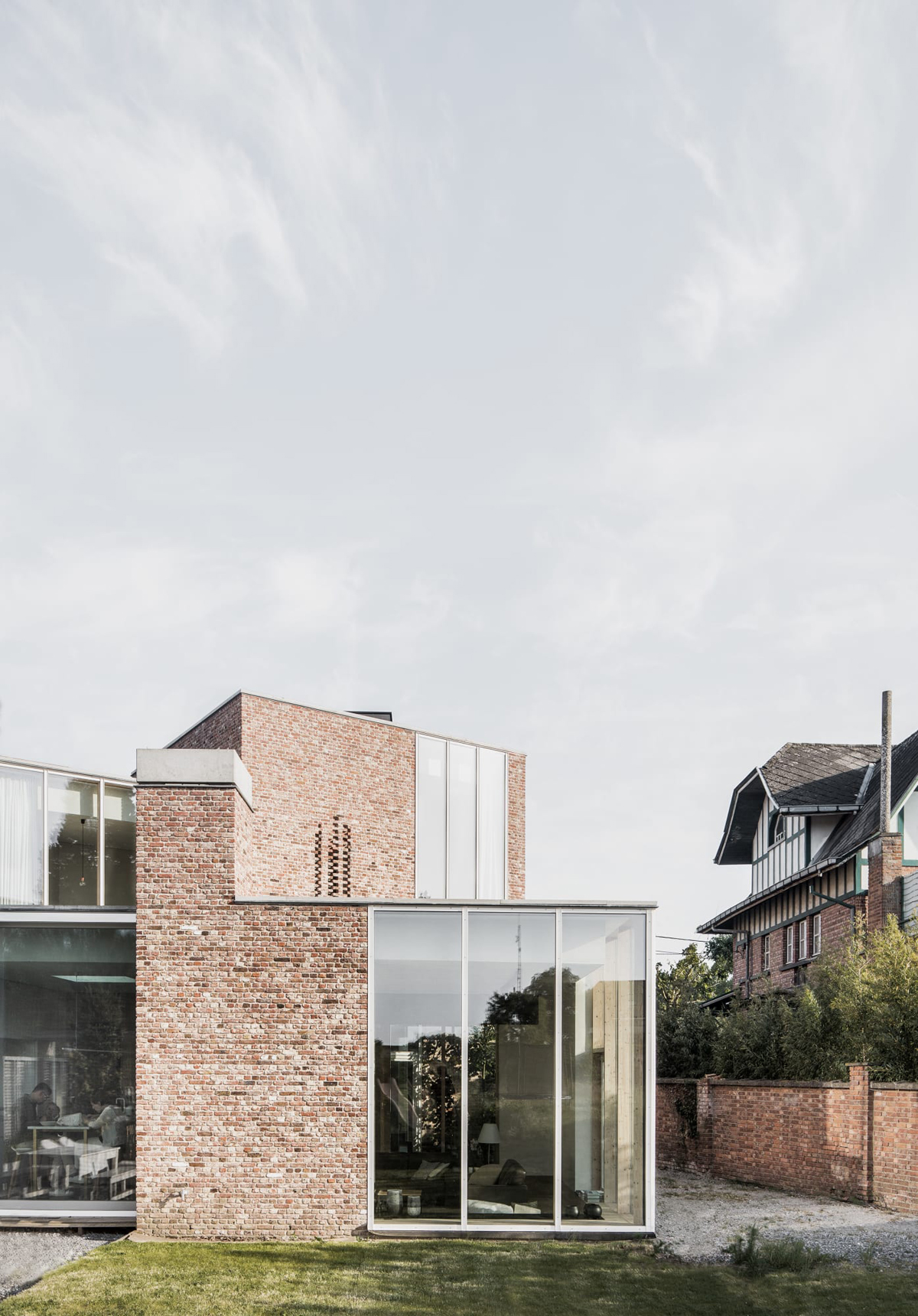
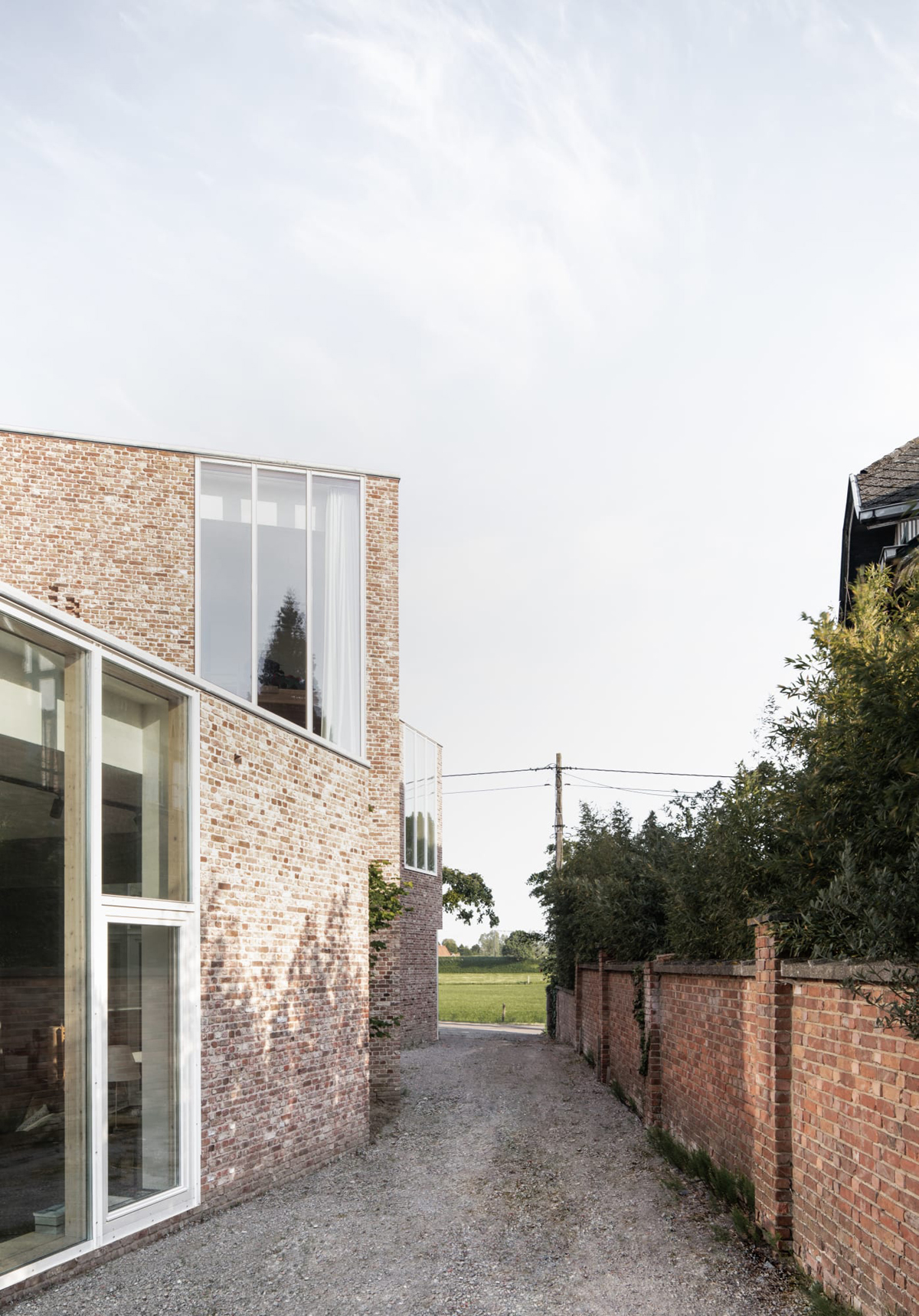
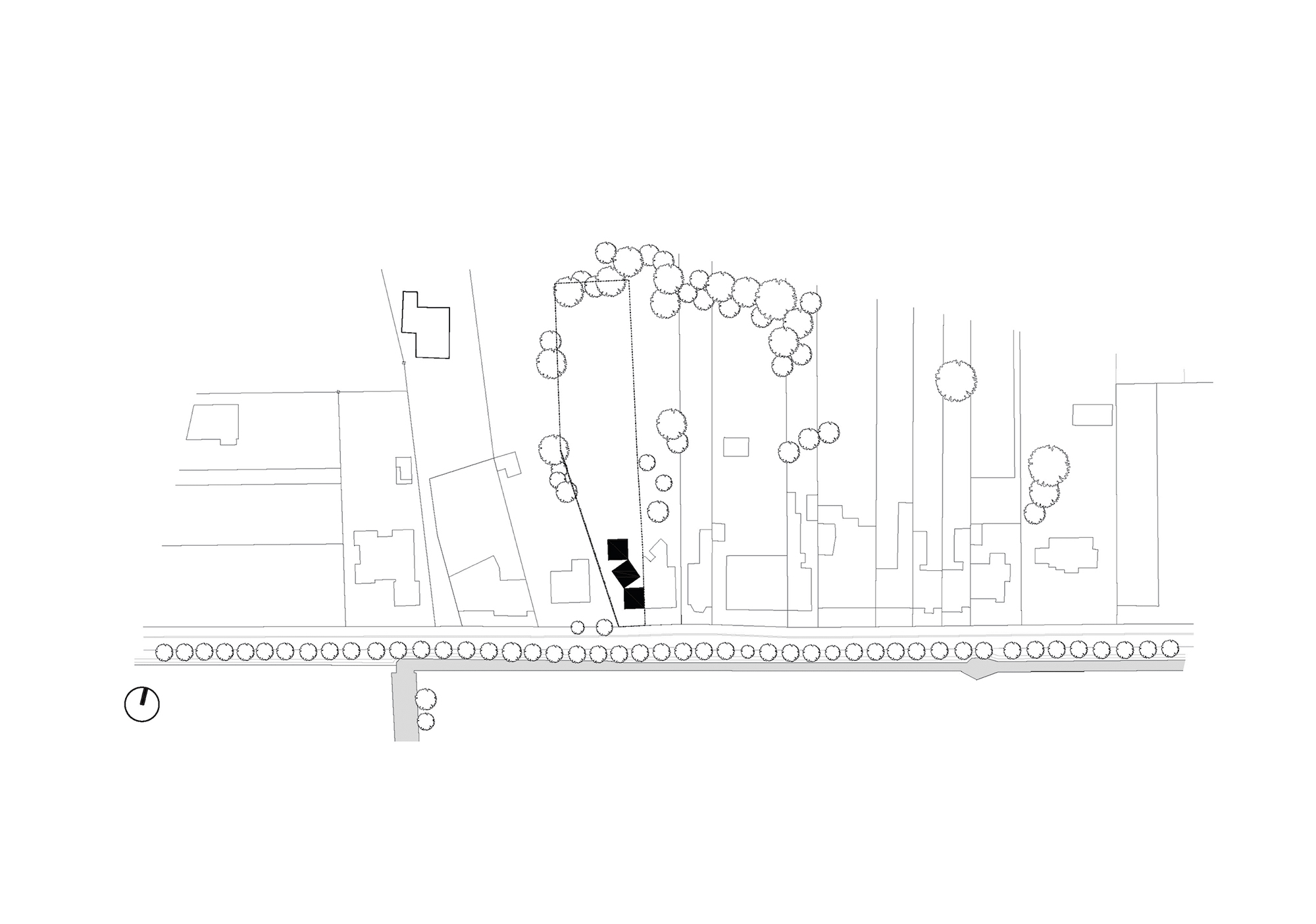
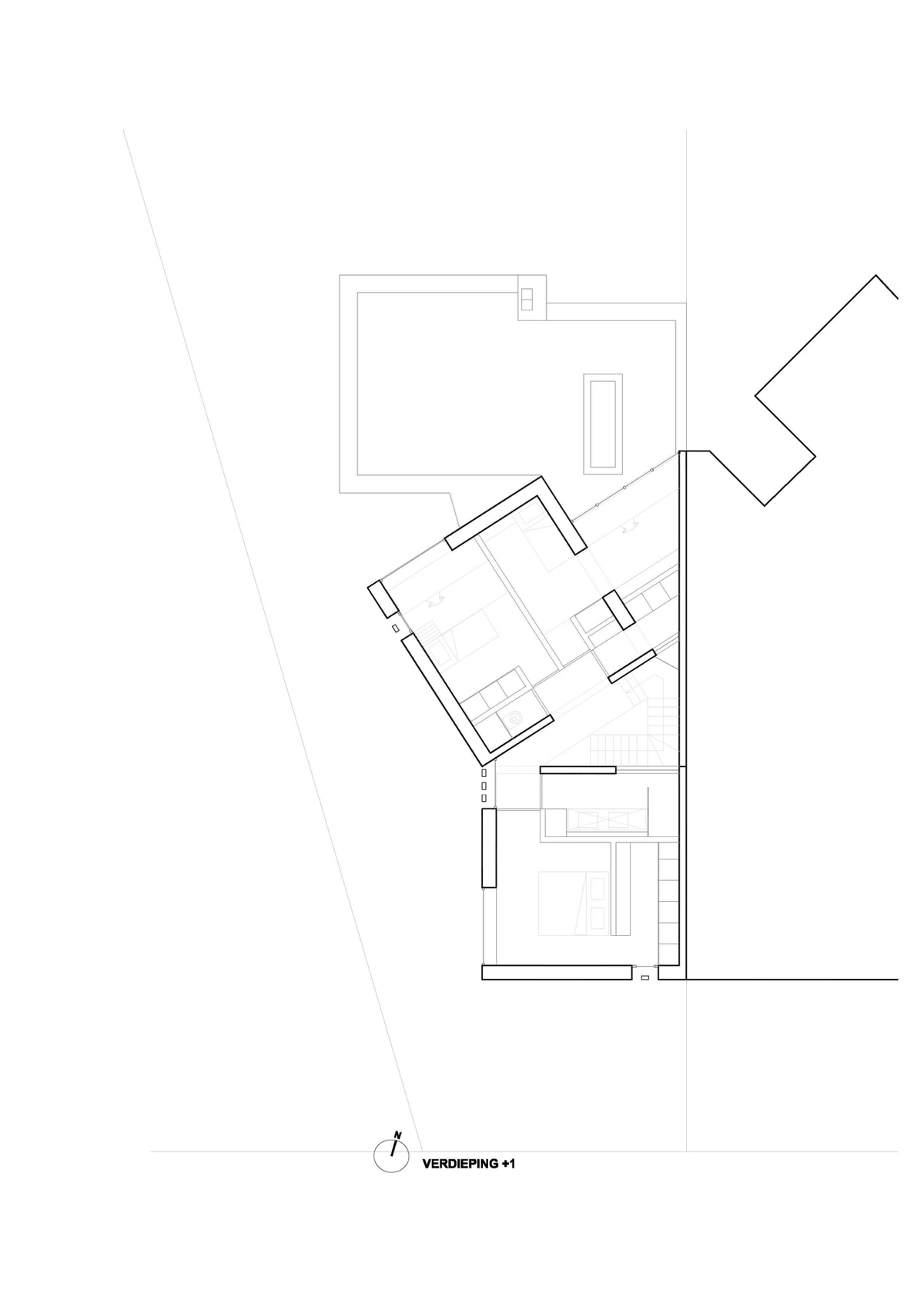
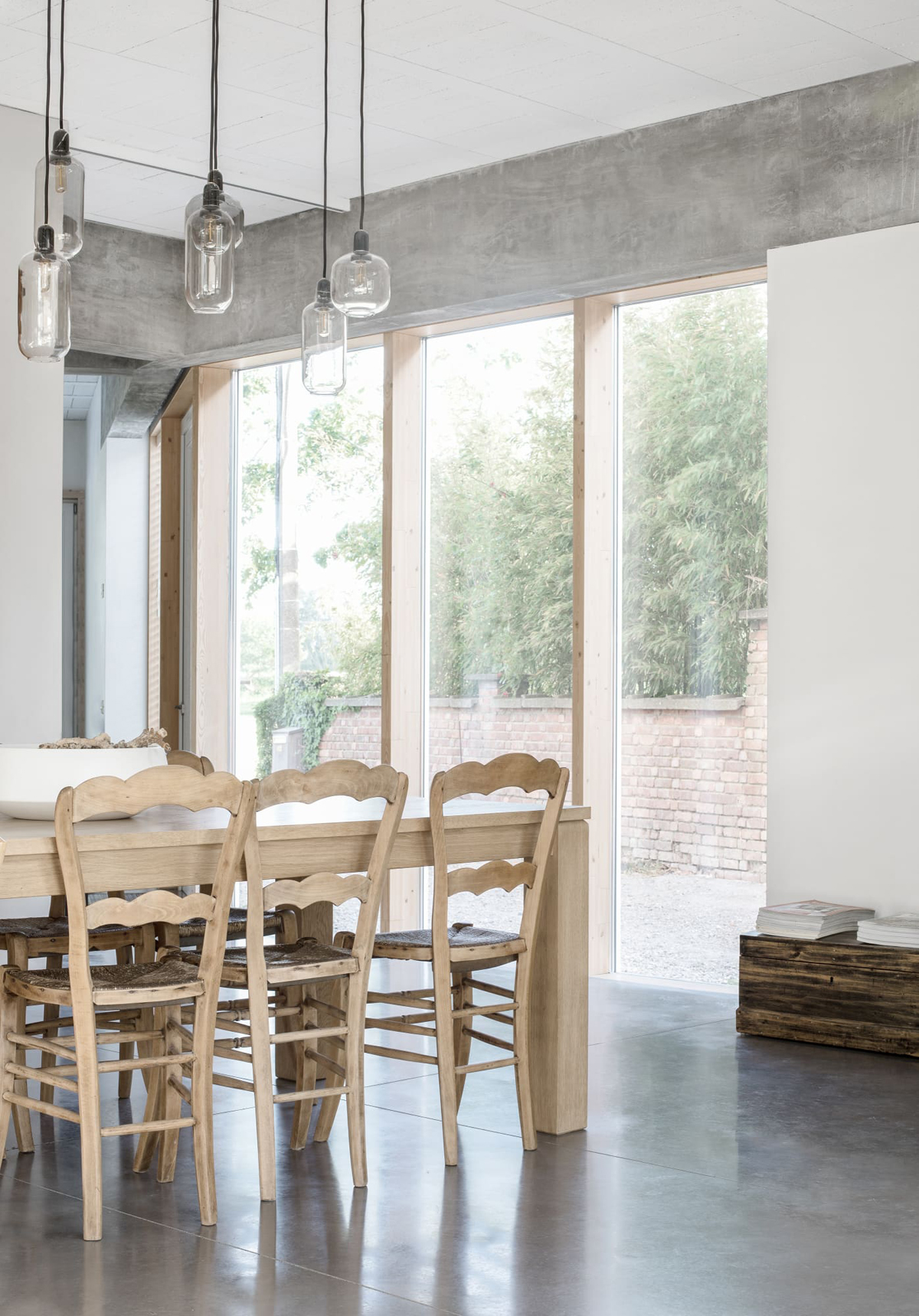
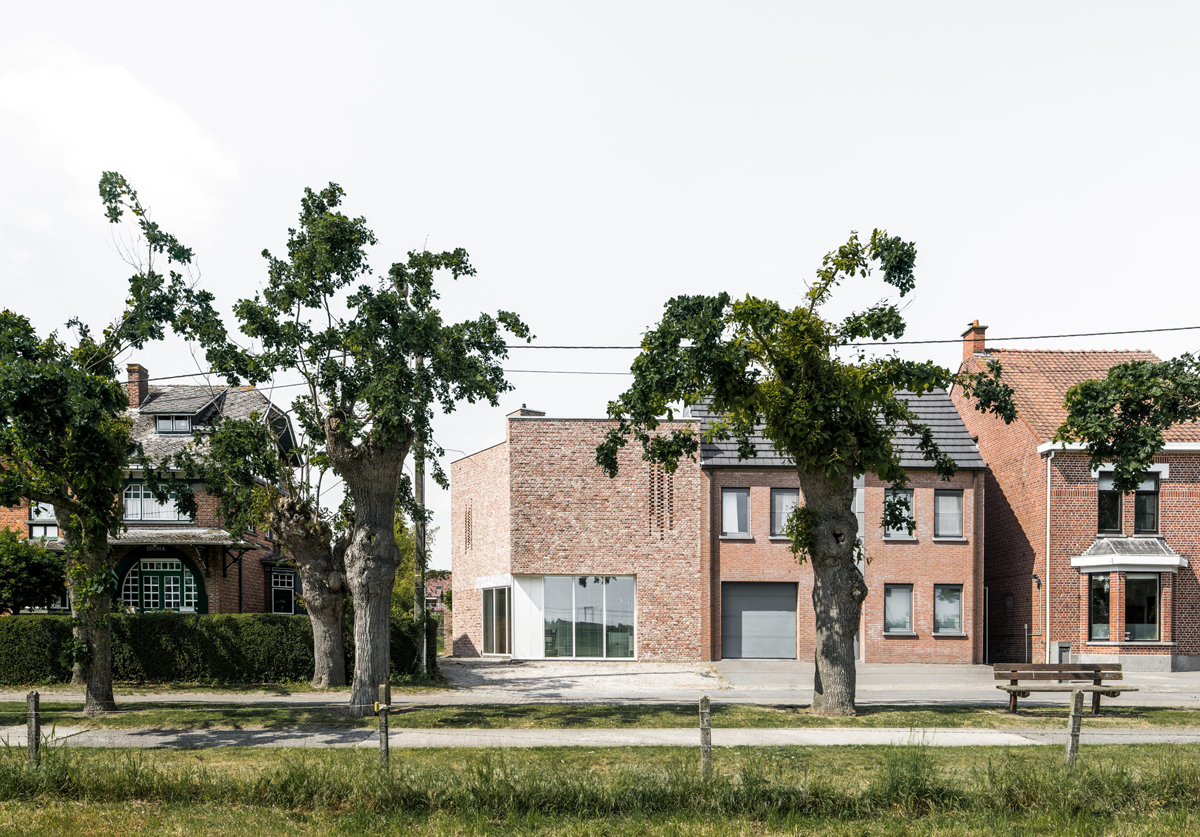
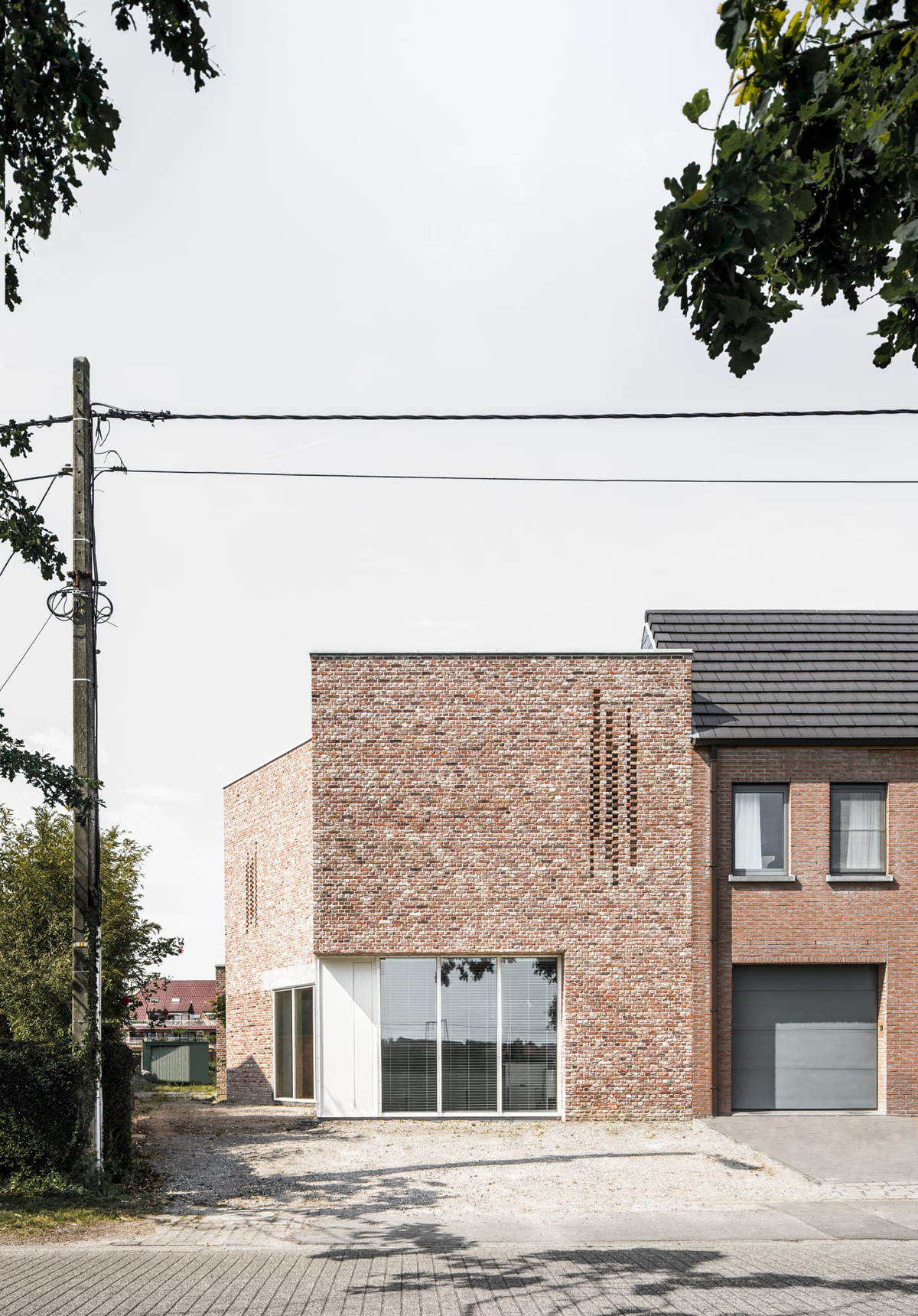
The project was realized on an empty plot on a charming village road in Anzegem. The plot is situated on the transition from a typical piece of Flemish ribbon development to a detached, ‘belle époque’- architecture, so it was vital that the design could be the missing link to create a fluent transition.
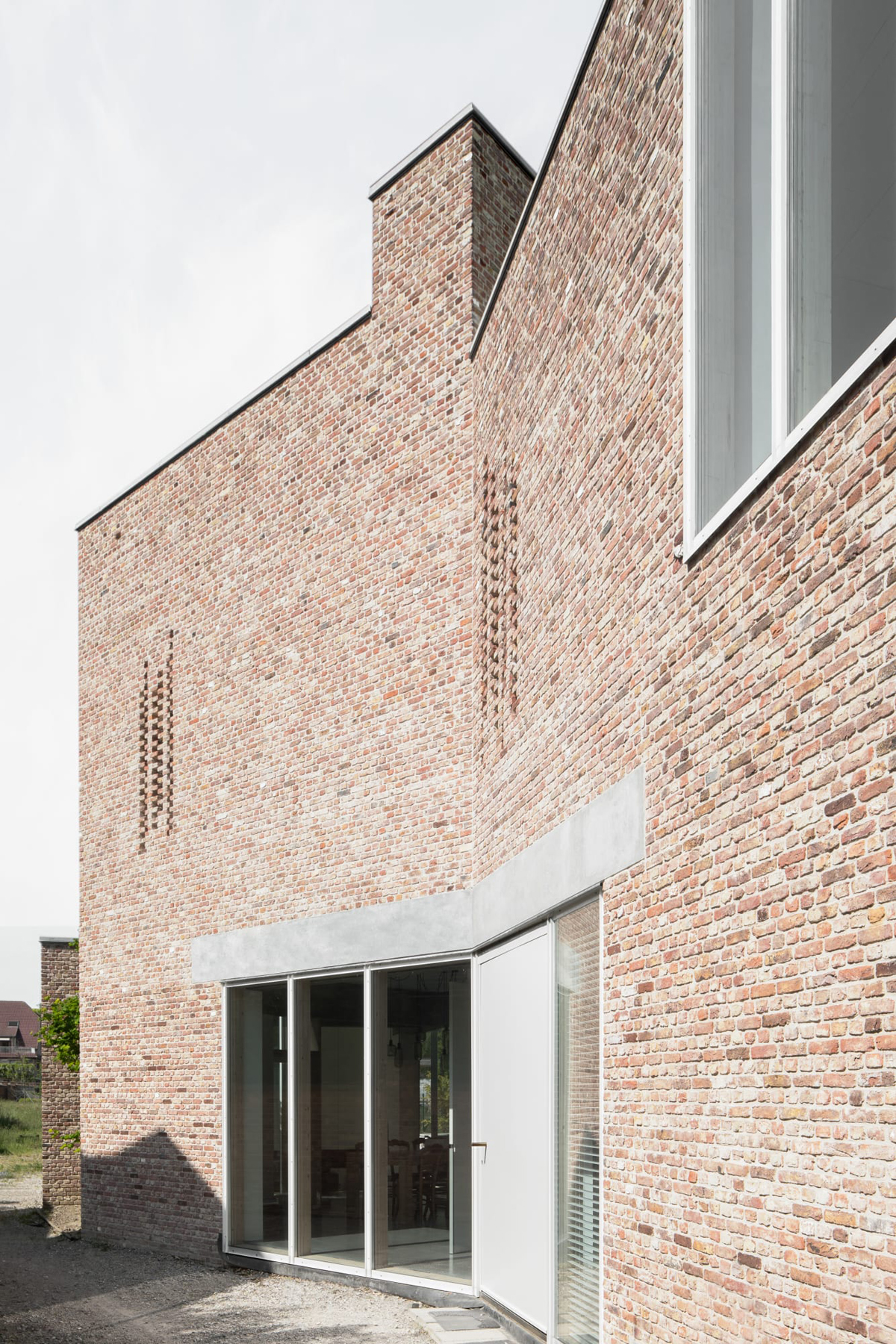
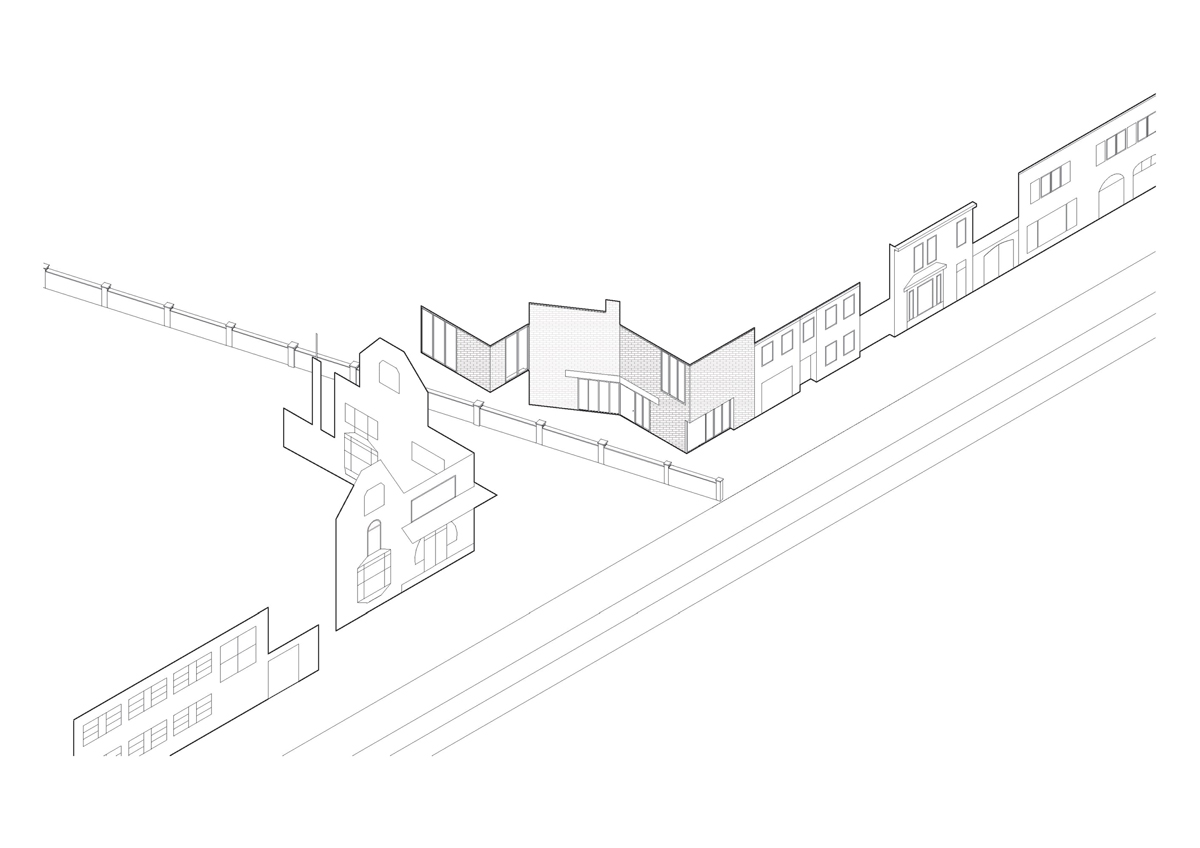
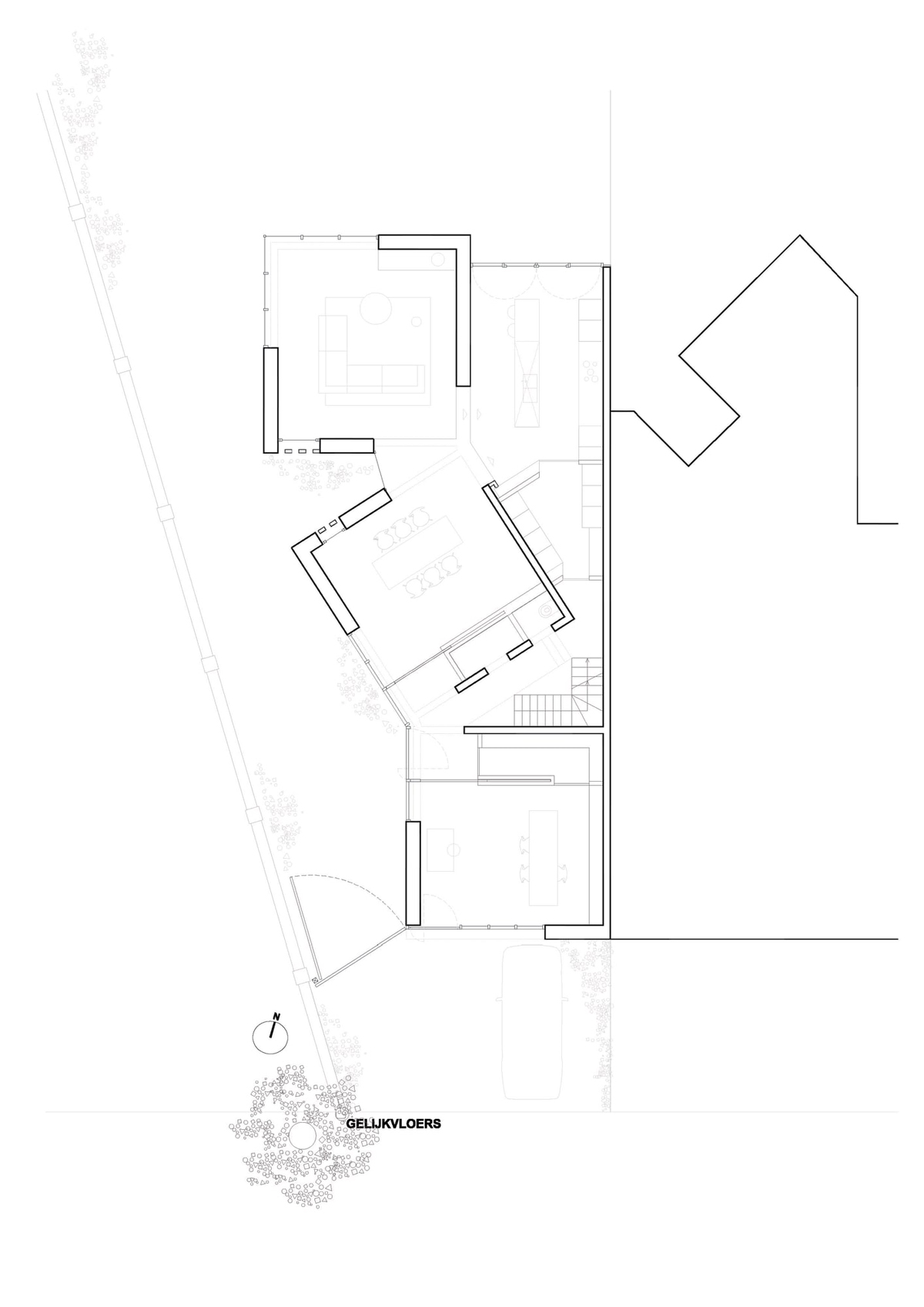
The trapezium shape of the plot forced the architects to find a creative solution. A semi-open house was created, which begins very narrowly on the street side and opens up to the back of the plot. The diverging of the plot means that the side façade becomes a part of the view of the house and therefore also contributes to the street scenery.
Because of the narrow, construction-free, garden strip and the proximity of the neighbor, it was decided to have the side façade staggered in relation to the plot boundary. An animated, second ‘street façade’ is created, instead of a monotonous façade. The ‘zigzag’-movement of the façade allows the side garden to be developed into a full addendum of the house, instead of just a driveway.
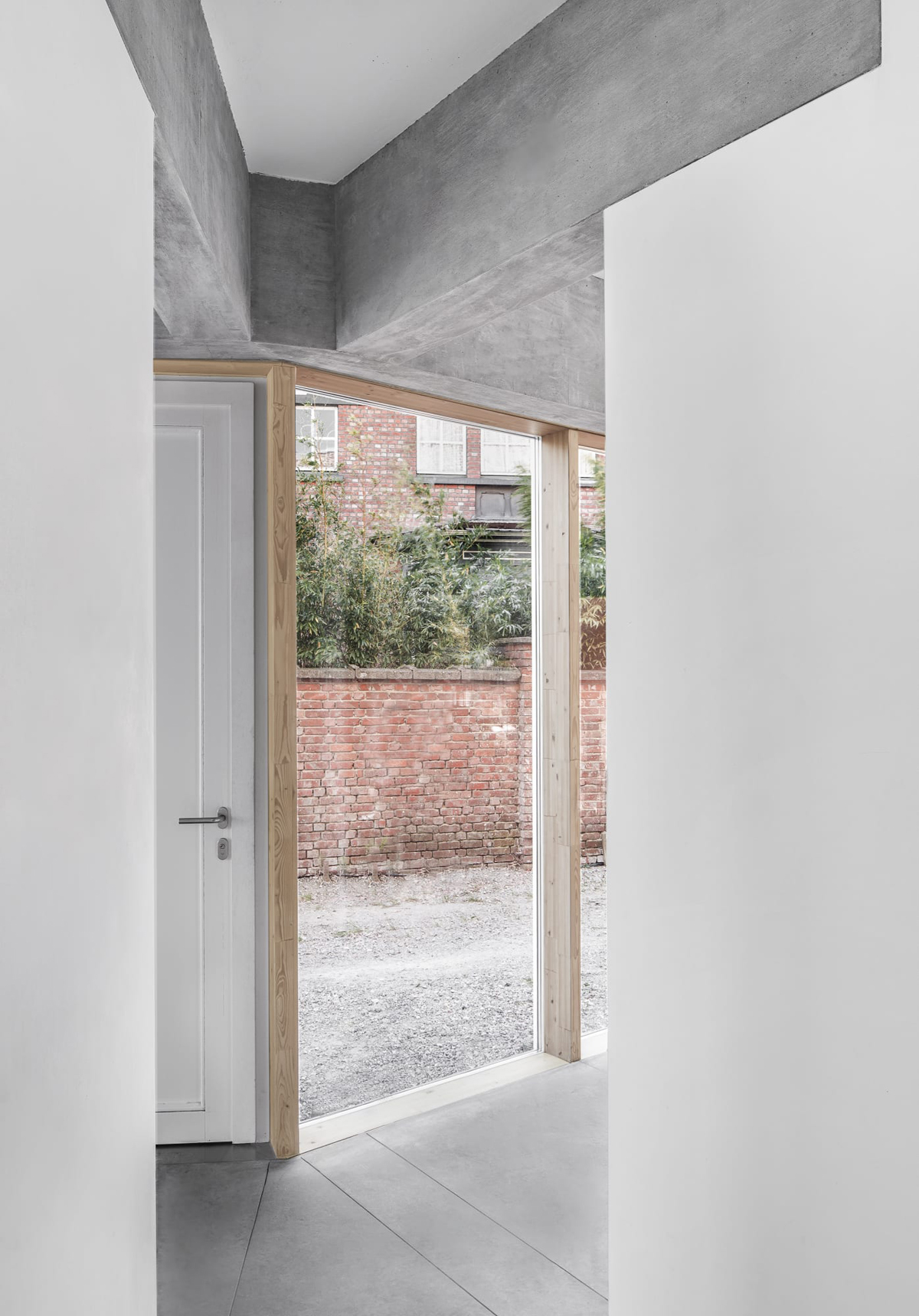
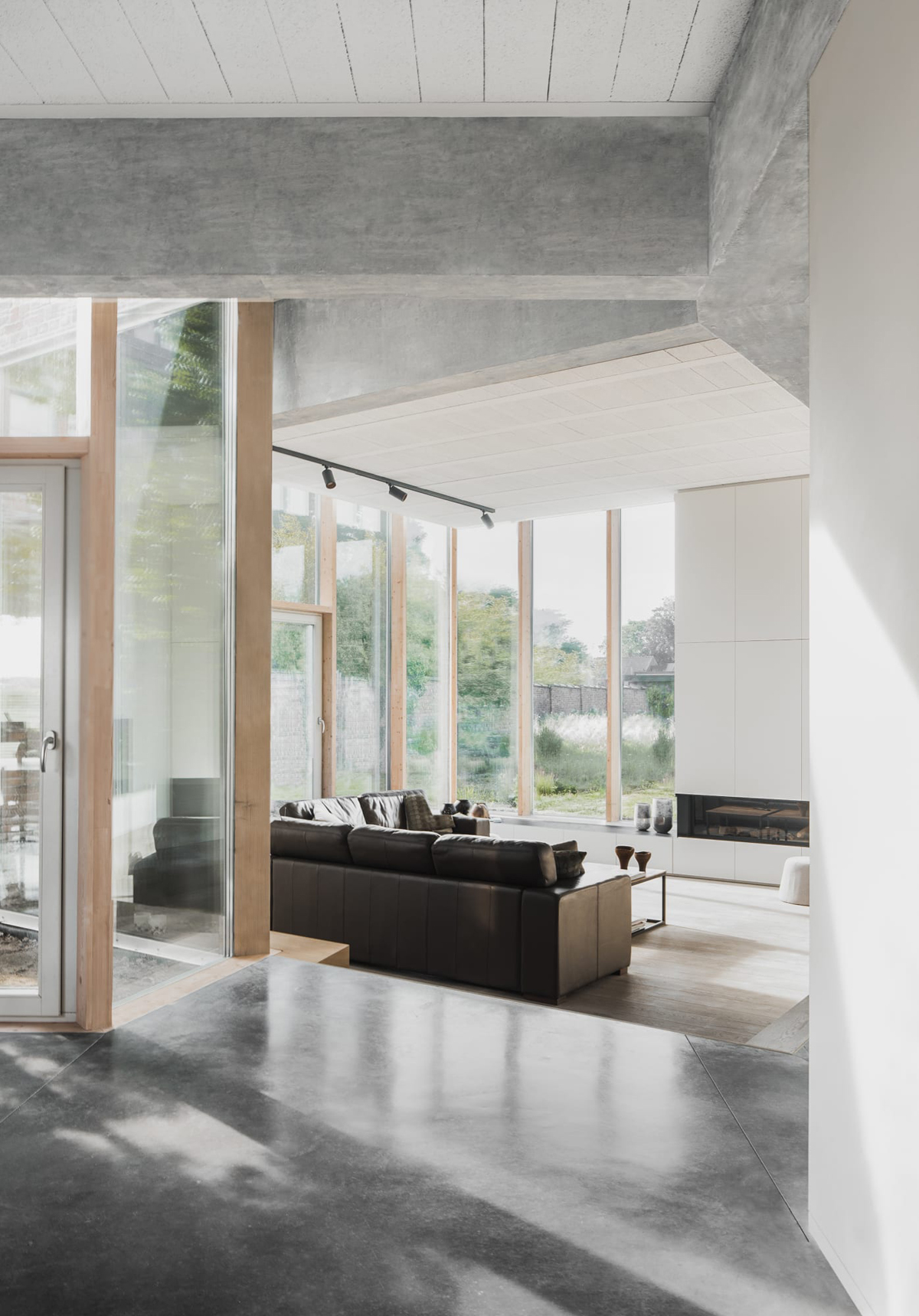
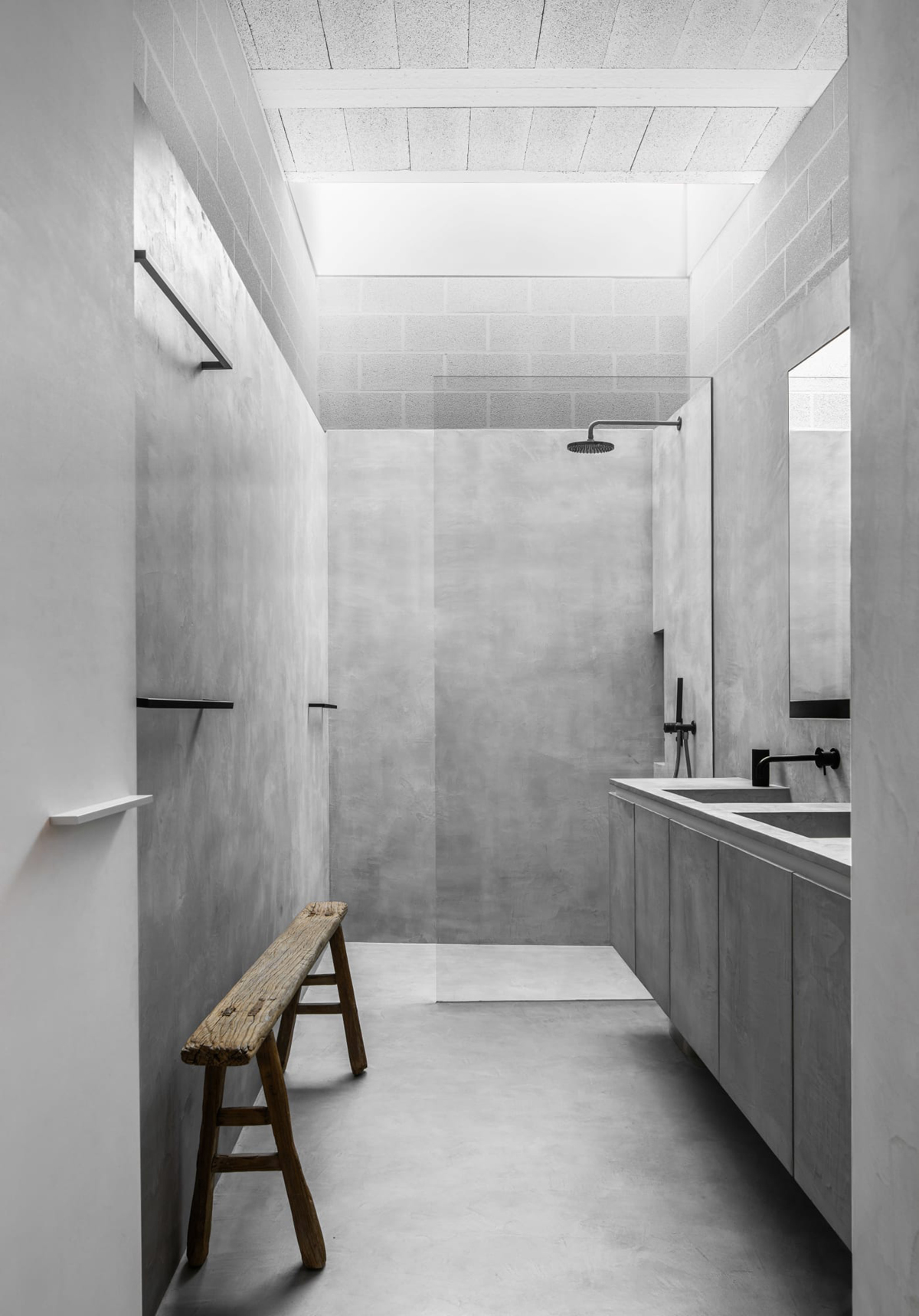
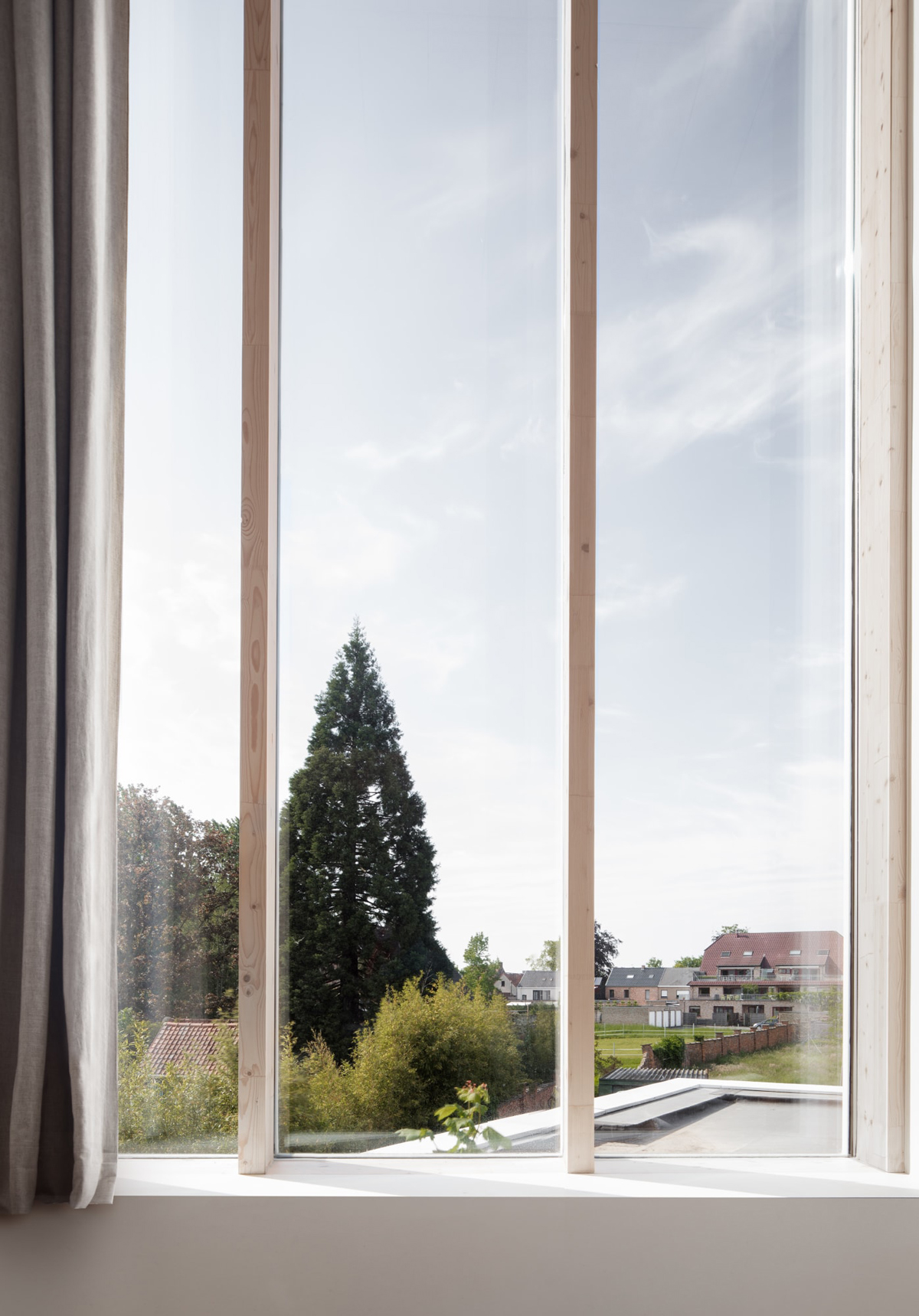
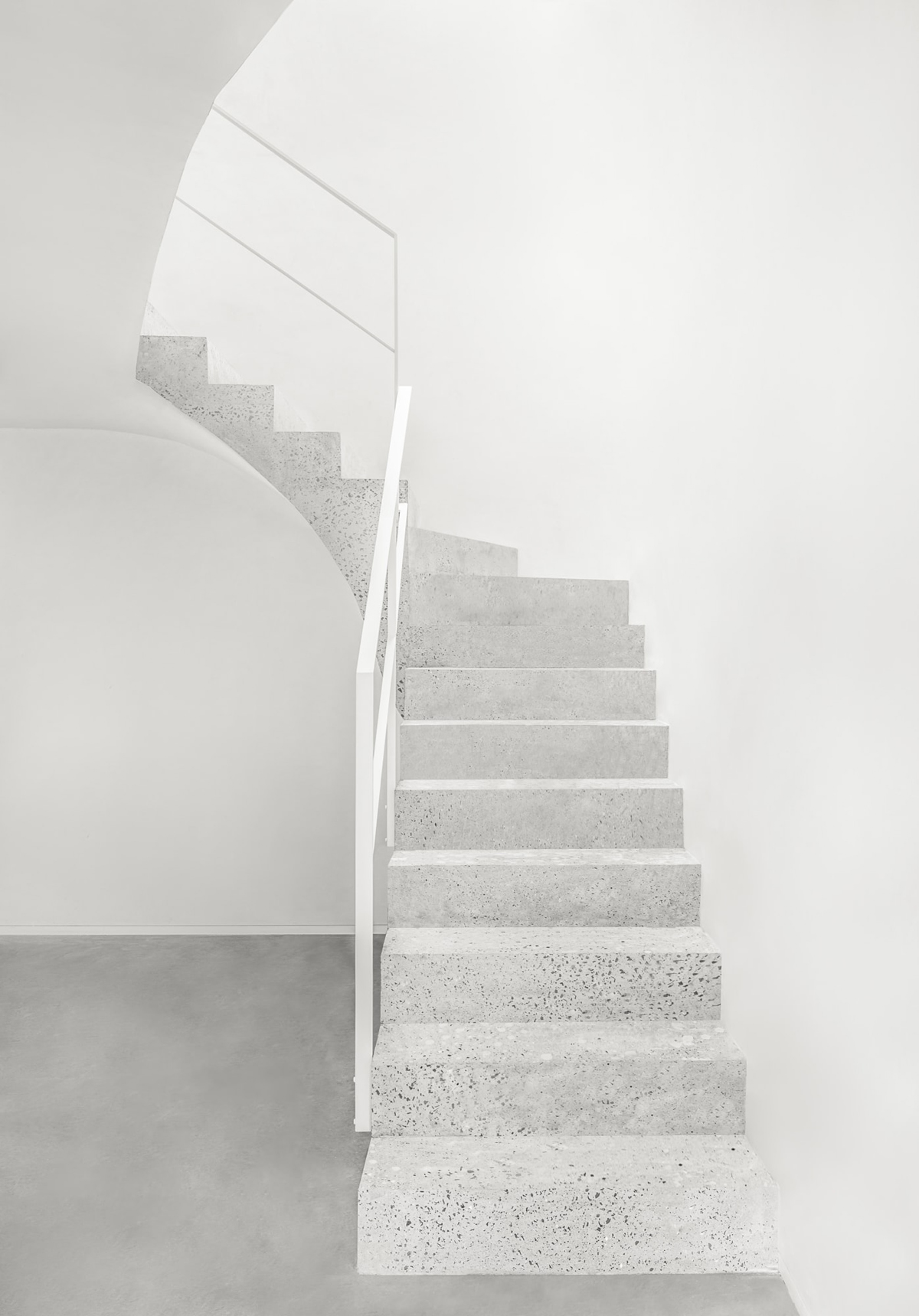
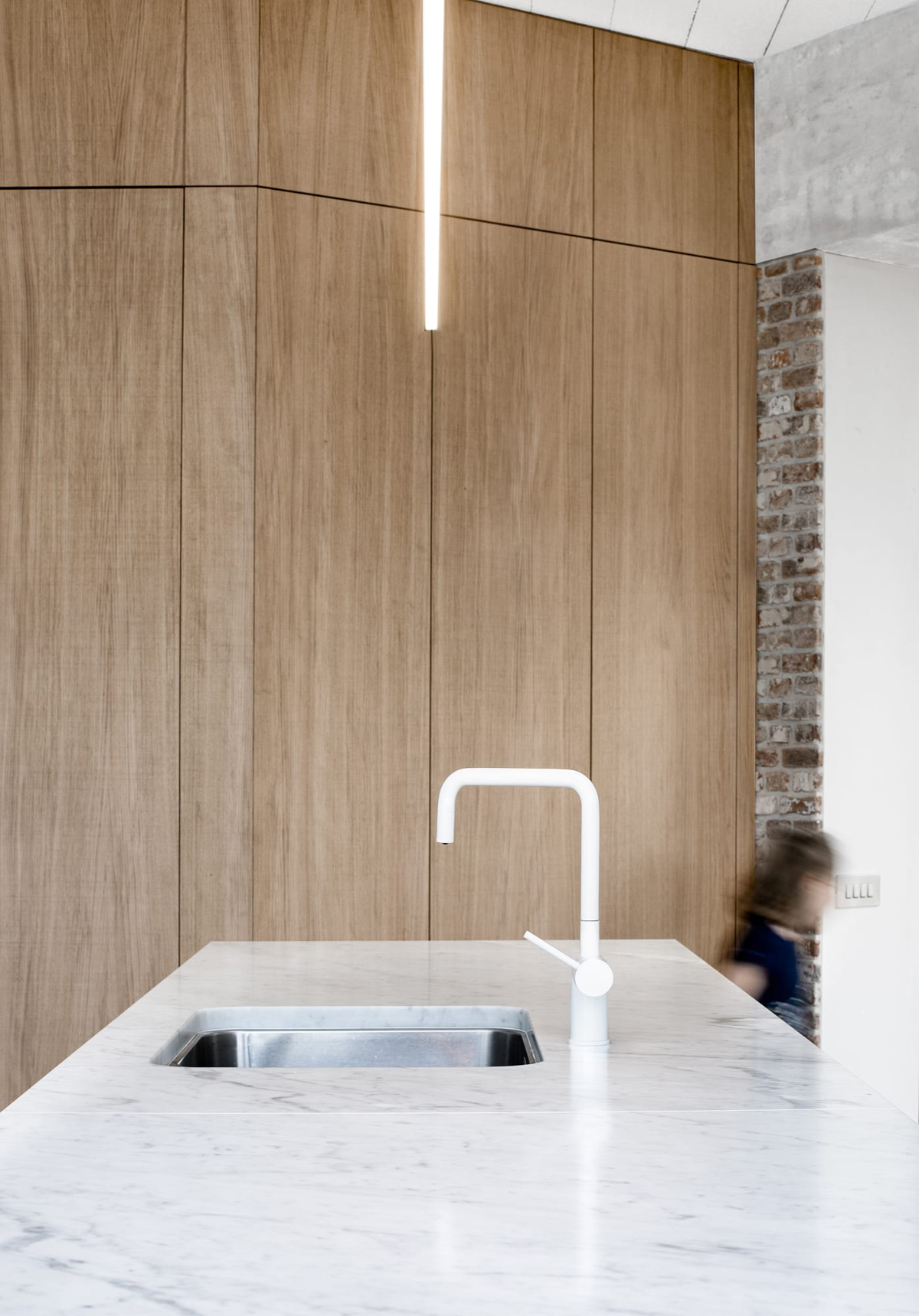
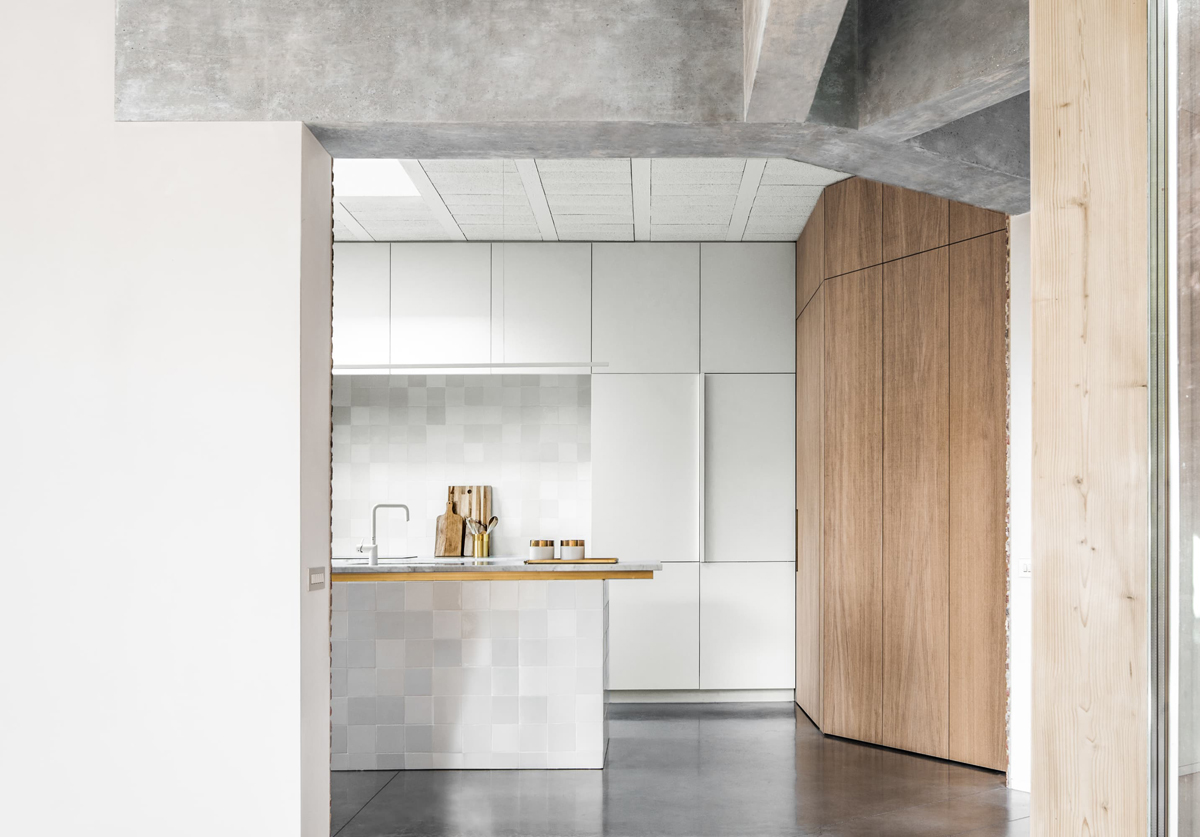
The design of the house manifests itself as a composition of three cubes and varying roof heights. The rectangular spaces with functions as office, kitchen and living room are connected with their corners, by opening them. This creates an interesting mutual relationship, which is accentuated by the concrete beams, supporting the upper level and roof.
Since both the front and side facades determine the street view, it was an excellent opportunity to link a fascinating story to the two-dimensional ribbon development. At the same time, a dialogue is created with the adjacent detached villa.


Location: Belgium – Anzegem
Designer: Graux & Baeyens Architecten
Project year: 2017
Photos by: Jeroen Verrecht


Esta entrada aparece primero en HIC Arquitectura http://hicarquitectura.com/2020/06/graux-baeyens-house-l-c/